BYD Just Dethroned Tesla as the World's EV King — Here's How It Reshapes Auto Trade Shows
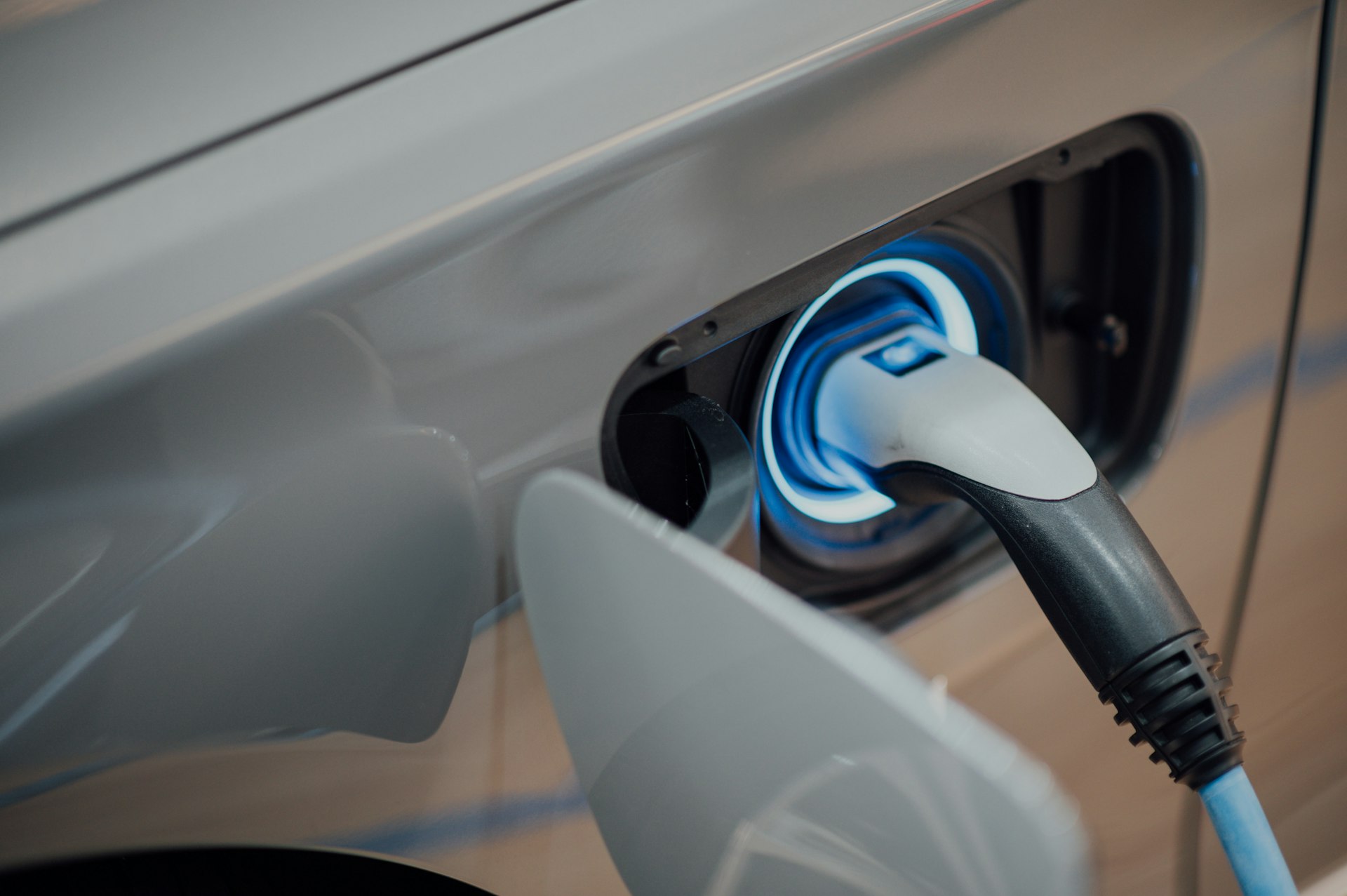
The crown has changed hands. BYD's full-year 2025 results confirmed what industry watchers had anticipated for months: the Shenzhen-based automaker sold 2.26 million battery-electric vehicles last year, a 28% increase that decisively surpassed Tesla's 1.64 million deliveries, which fell 8% year over year. Including plug-in hybrids, BYD moved a staggering 4.6 million new energy vehicles total. Its overseas sales alone crossed one million units for the first time, up 150% from 2024, with the company now targeting 1.3 million international shipments in 2026.
This is not a temporary blip in the sales charts. It is a structural shift in the global automotive industry — and it carries enormous implications for every trade show, exhibition, and industry conference in the automotive and mobility ecosystem. The companies that exhibit at auto shows, the buyers who walk those floors, the technologies on display, and the geographies where the most important shows are held are all being reshaped by BYD's ascent and the broader Chinese EV wave it represents.
The Trade Show Floor Reflects the Power Shift
Walk the floor at any major international auto show in 2026 and the change is visible. At the Shanghai Auto Show, Chinese manufacturers now command the largest and most elaborate booth spaces — a reversal from a decade ago when Western and Japanese brands dominated the premium real estate. BYD's booth at last year's show was the largest in the exhibition, a physical manifestation of its market position.
But the shift extends beyond booth square footage. The composition of attendees is changing. Supply chain companies that once oriented their trade show strategies around relationships with Ford, GM, and Volkswagen are now prioritizing introductions to BYD's procurement teams. Battery technology suppliers, charging infrastructure companies, and autonomous driving startups are recalibrating which shows deliver the most valuable buyer access based on where Chinese EV manufacturers are exhibiting.
When the world's largest EV company is Chinese, the center of gravity for automotive trade shows shifts accordingly. Exhibitors who do not adjust their event portfolios to reflect this reality are marketing to last year's buyer landscape.
In Europe, the dynamic is particularly acute. BYD registered more battery-electric vehicles than Tesla on the continent in May 2025 — a first. European auto shows like the IAA in Munich and the Paris Motor Show are grappling with a new reality: Chinese brands are no longer curiosities in the corner of the hall. They are among the most-visited exhibitors on the floor, drawing crowds of European dealers, fleet managers, and media with competitive products priced aggressively below European incumbents.
Three Auto Show Categories to Watch
The BYD-Tesla power shift creates distinct impacts across different types of automotive trade shows. Understanding these differences is essential for exhibitors trying to allocate limited event budgets effectively.
Traditional consumer auto shows — Detroit, Geneva, Paris, Tokyo — have been struggling with relevance for years as manufacturers shifted launch budgets to digital events and direct-to-consumer experiences. BYD's rise further complicates the picture. The company has shown a willingness to make major product announcements at auto shows, particularly in markets it is trying to enter, which provides a boost to international shows. But BYD's core audience is in China and Southeast Asia, meaning the shows that benefit most from its exhibiting presence are in those regions.
Technology and mobility shows — CES, MWC, COMPUTEX — are increasingly absorbing automotive content as the line between cars and consumer electronics blurs. BYD's strategy of vertically integrating everything from battery chemistry to in-car software means the company shows up at technology events that traditional automakers would have ignored. For exhibitors in the EV supply chain, these crossover events are becoming essential because they attract the buyers who see electric vehicles as technology platforms rather than transportation appliances.
Battery and energy storage conferences — The Battery Show, Energy Storage Summit, Advanced Automotive Battery Conference — have become the hottest tier of the auto trade show ecosystem precisely because battery technology is where the competitive advantage now sits. BYD's development of blade batteries, its investments in sodium-ion chemistry, and its rumored timeline for solid-state production mean that battery-focused events attract the engineers and procurement leaders who are shaping the next generation of EVs. These shows have seen attendance growth of 30-50% over the past two years.
The Tariff Variable
BYD's global expansion is colliding with a tariff environment that adds substantial complexity to automotive trade show strategy. The U.S. maintains steep tariffs on Chinese EVs, effectively blocking BYD from the American market. The European Union has imposed its own tariffs on Chinese EV imports following an anti-subsidy investigation. And BYD is responding by building manufacturing capacity outside China — in Hungary, Brazil, Thailand, and Indonesia — to circumvent trade barriers.
For trade show professionals, the tariff landscape matters because it determines where buyer-seller relationships are forming. If BYD cannot sell into the U.S. market directly, U.S. auto shows lose relevance for the Chinese supply chain. But if BYD builds a factory in Hungary to serve the European market, European auto shows and supplier events become critically important networking venues for companies seeking to enter BYD's European supply chain.
The exhibitor who understands the tariff map understands the trade show map. They are the same map.
Actionable Strategies for Exhibitors
Whether you are a battery materials supplier, a charging infrastructure company, an automotive software developer, or any other player in the EV ecosystem, BYD's coronation as the world's largest EV manufacturer demands a strategic response in your trade show planning:
- Add at least one Chinese or Southeast Asian auto show to your calendar. If you have never exhibited at the Shanghai Auto Show, the Shenzhen International Auto Show, or the Bangkok International Motor Expo, 2026 is the year to start. The buyer density from Chinese EV manufacturers at these events is unmatched by any Western show.
- Prioritize battery and energy storage events over traditional auto shows. The competitive differentiation in EVs is increasingly at the cell chemistry and battery management level. Shows focused on these technologies provide higher-quality buyer access for supply chain companies than general auto shows where the audience is diluted across ICE and EV content.
- Adjust your booth messaging for a post-Tesla world. For years, exhibitors at EV-related trade shows positioned their products relative to Tesla — "Tesla-compatible," "used by Tesla suppliers," "Tesla-grade performance." That messaging framework needs updating. BYD's supply chain requirements, manufacturing processes, and technical specifications differ significantly from Tesla's, and exhibitors who can demonstrate relevance to both platforms will capture the widest audience.
- Track BYD's manufacturing expansion to identify emerging regional shows. Every BYD factory announcement creates a local supply chain ecosystem that generates trade show demand. When BYD broke ground in Hungary, European industrial supply shows in Central and Eastern Europe gained a new audience segment. The same dynamic will play out in Brazil, Thailand, and every other market where BYD localizes production.
The Floor Is Shifting Under Every Auto Show
The last time a non-Western company fundamentally disrupted the global automotive power structure was when Japanese manufacturers broke through in the 1970s and 1980s. That disruption transformed auto shows, created new trade events, and forced exhibitors to reorient their strategies around a new set of buyers and decision-makers. The process took two decades.
BYD's disruption is happening faster. The company went from producing its first car in 2003 to outselling Tesla globally in just over 20 years. Its overseas sales are growing at 150% annually. And unlike the Japanese disruption, which played out before the internet age, BYD's rise is being amplified by digital supply chain platforms, global trade show livestreaming, and cross-border procurement networks that compress relationship-building timelines.
For every exhibitor in the automotive and EV ecosystem, the BYD moment is a strategic inflection point. The trade show calendar you had in 2024 is no longer adequate for the market reality of 2026. The companies that recognize this and move first will build the relationships that matter in the next era of the automotive industry. The ones that keep exhibiting at the same shows with the same messaging will find themselves speaking to an audience that has moved on.
Related Articles
Trade Show Exhibitor's Guide to Seoul
Essential guide for exhibitors visiting Seoul, South Korea. Venues, hotels, transportation, dining...
Trade Shows in Australia: Complete Exhibitor Guide
Complete guide to exhibiting at trade shows in Australia. Visa requirements, business culture...
From Zero Brand Recognition to 200 Qualified Leads: A Manufacturer's PACK EXPO Strategy
Case study: How GreenPack Solutions, a mid-size packaging manufacturer, went from unknown to 200...
Exhibitor's Guide to Shenzhen World Exhibition Center
Complete exhibitor guide to Shenzhen World Exhibition Center in Shenzhen, China. Layout, services...
Capture More Leads at Your Next Trade Show
Scannly helps exhibitors scan badges, track leads, and follow up faster — all from your phone.
Try Scannly FreeGet the Complete Exhibitor Toolkit
19 checklists, spreadsheets, email templates, and guides — everything you need before, during, and after the show.
Get Mega Bundle — $49.99$213.81 — Save 77%