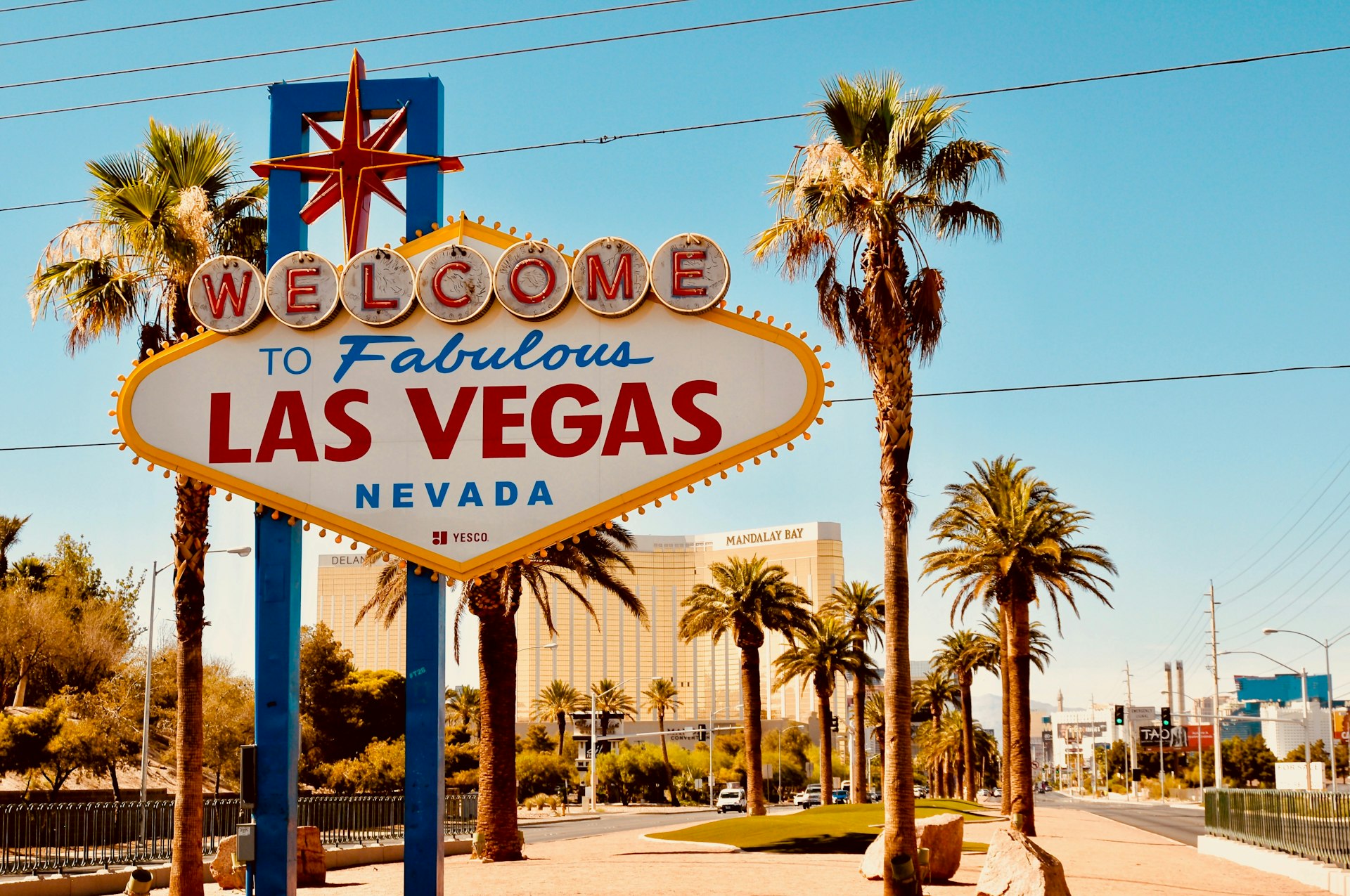
Las Vegas is the undisputed capital of the American trade show industry. With more than 22,000 conventions and meetings hosted annually, the city has built an entire economy around getting exhibitors through its doors, onto the show floor, and ideally into the casino afterward. But the glittering promise of Vegas comes with a price tag that catches first-time exhibitors off guard and forces veteran exhibitors to renegotiate budgets every single year.
We spent three months surveying exhibitors, collecting invoices, and interviewing show managers to build the most accurate cost picture possible for exhibiting in Las Vegas in 2026. This is not a theoretical exercise. These are real numbers from real companies that wrote real checks.
Booth Space: The Foundation of Your Budget
Everything starts with the booth. In Las Vegas, booth space pricing varies dramatically depending on the venue, the show, and your timing. The three major convention venues in the city are the Las Vegas Convention Center (LVCC), the Mandalay Bay Convention Center, and the Venetian Expo (formerly Sands Expo). Each operates differently, but the pricing principles are consistent: the bigger the show, the higher the per-square-foot cost.
For a standard 10x10 booth (100 square feet), expect to pay between $3,000 and $8,000 for the raw space at a mid-tier show. At major events like CES, MAGIC, or CONEXPO-CON/AGG, the same footprint can run $6,000 to $12,000. Island booths of 20x20 or larger at premium shows can range from $15,000 to over $50,000 for the space alone, before you have built a single wall or hung a single banner.
Corner vs. Inline vs. Island
Your booth position affects price significantly. Inline booths (one open side) are the cheapest. Corner booths (two open sides) typically carry a 10-15% premium. Island booths (open on all four sides) command the highest prices but offer the best visibility and traffic flow. At CES 2026, island booth space in the North Hall of LVCC was priced at approximately $48 per square foot, while inline space in the same hall was $38 per square foot.
Hotels: Where Vegas Really Gets You
Las Vegas hotel pricing during major trade shows is a masterclass in dynamic pricing. A room at the MGM Grand that goes for $129 on a random Tuesday in March will cost $349 during a major convention week. This is not an exaggeration. It is standard practice, and every major hotel on the Strip participates.
During peak convention season (January through April, and September through November), expect the following nightly rates for a standard room:
- Budget (off-Strip or downtown): $150-$200/night
- Mid-range (Strip properties): $250-$350/night
- Premium (convention-adjacent like Mandalay Bay or Venetian): $300-$400/night
- Luxury suites for client entertainment: $500-$1,200/night
For a typical three-night stay (arriving the day before the show, departing the day it ends), you are looking at $450 to $1,200 per person for hotel alone. If you are sending a team of four, that is $1,800 to $4,800. Add the setup day and you are looking at four nights, pushing the total to $2,400 to $6,400 for the team.
The convention rate blocks that shows negotiate are usually 15-25% below market rate, but they sell out fast. Book the moment registration opens. Waiting even two weeks can mean the difference between $229/night and $389/night for the same room.
The Resort Fee Trap
Every major Las Vegas hotel charges a mandatory resort fee on top of the room rate. In 2026, these fees range from $39 to $55 per night. They are not optional. They are not included in the quoted rate. And they are not typically covered by convention rate blocks. For a four-night stay, that is an additional $156 to $220 per person that many exhibitors forget to budget.
Flights and Ground Transportation
Las Vegas is one of the best-connected airports in the country, which is the one piece of good news in this cost guide. Harry Reid International Airport (LAS) serves virtually every major US city with direct flights, and competition among airlines keeps prices relatively reasonable.
Expect to pay $200-$500 for a round-trip domestic flight, depending on origin city and booking timing. From the West Coast, $200-$300 is typical. From the East Coast, $350-$500 is more realistic during convention weeks. International flights from Europe or Asia will run $800-$1,500.
Getting Around Vegas
Ground transportation in Las Vegas is straightforward but adds up quickly:
- Airport to Strip hotel (rideshare): $15-$25 each way
- Airport to Strip hotel (taxi): $20-$30 each way
- Hotel to LVCC (rideshare): $10-$20 each way
- Daily rideshare budget (hotel, venue, dinner): $40-$80/day
- Rental car + parking: $60-$100/day (parking at LVCC is $15/day; Strip hotels charge $18-$25/day)
For a four-day trip, budget $200-$400 per person for ground transportation. The Las Vegas Monorail connects several Strip hotels to the LVCC for $5 per ride, but it does not reach all venues and stops running at midnight, which in Vegas is essentially mid-afternoon.
Food and Meals: No Free Lunch on the Show Floor
Las Vegas is an expensive city to eat in, particularly near convention venues. Show floor food is notoriously overpriced: a sandwich and a drink at the LVCC food court will run you $18-$25. Sit-down restaurants near convention venues charge convention-week premiums.
Realistic daily meal budgets per person:
- Budget-conscious: $75/day (fast-casual breakfast, show floor lunch, moderate dinner)
- Standard business: $100/day (hotel breakfast, show floor lunch, restaurant dinner)
- Client entertainment included: $120-$200/day (add steakhouse dinners, drinks at client meetings)
For a team of four over four days at the standard level, that is $1,600 in meals. Client dinners at Las Vegas steakhouses like STK, Carversteak, or Gordon Ramsay Steak can easily run $150-$300 per person with drinks.
Drayage: The Cost Nobody Warns You About
If you are new to exhibiting, drayage is the single line item most likely to make you question your career choices. Drayage is the fee charged by the show's official contractor to move your freight from the loading dock to your booth space. You do not get to opt out. You do not get to carry it yourself. You pay per hundredweight (CWT), and in Las Vegas in 2026, rates are brutal.
Current drayage rates at major Las Vegas venues:
- Standard drayage (advance warehouse): $30-$40 per CWT
- Direct-to-show (shipped to venue): $35-$50 per CWT
- Special handling (crates, oversized items): $50-$75 per CWT
- Forced freight (carrier delivered without appointment): $75-$100 per CWT
One CWT equals 100 pounds. A typical 10x10 booth display with literature and a few cases of giveaways weighs 500-800 pounds, meaning your drayage bill will be $150-$400. But a larger booth with a custom structure, monitors, and product samples can easily weigh 2,000-5,000 pounds, putting drayage at $600-$2,500. There is also an outbound drayage charge of equal or slightly lower cost to get your materials back to the loading dock after the show.
Electricity, Internet, and Utilities
You need power. You probably need internet. Both cost far more than you expect.
Electricity
Electrical service at Las Vegas convention venues is ordered through the official electrical contractor, and prices reflect the captive market reality:
- Standard 500W outlet (5 amp, 120V): $350-$500
- Standard 1,000W outlet (10 amp, 120V): $500-$750
- 20 amp, 120V circuit: $750-$1,200
- 30 amp, 208V circuit (for larger displays): $1,200-$2,000
- 50+ amp service: $2,000+
A small 10x10 booth running a monitor and some LED lighting typically needs a single 10-amp circuit at $500-$750. A 20x20 island booth with multiple monitors, interactive kiosks, and overhead lighting can easily require $1,500-$2,000 in electrical service. And do not forget: if you need the electrician to install after standard hours, overtime labor rates apply, often doubling the installation cost.
Internet
Convention center Wi-Fi is either nonexistent, unreliable, or throttled beyond usability. If your booth requires internet access for demos, lead capture, or video streaming, you need dedicated service:
- Basic shared Wi-Fi (if available): $300-$500
- Dedicated wired connection (5 Mbps): $1,000-$1,500
- Dedicated wired connection (20 Mbps): $1,500-$2,500
- High-bandwidth dedicated (50+ Mbps): $2,500-$3,000+
Many exhibitors now use cellular hotspots as a backup or primary connection, but inside the steel-and-concrete convention halls, cell signal can be spotty during peak attendance. A dedicated wired connection is the only reliable option for mission-critical demos.
Labor: Union Rules Define the Game
Las Vegas convention venues are predominantly union labor facilities. At the LVCC, Mandalay Bay Convention Center, and Venetian Expo, most setup and teardown work must be performed by union labor unless your booth falls under specific small-booth exemptions.
The general rule: if your booth is 10x10 and uses a pop-up or portable display, you can set it up yourself. Anything larger, anything requiring tools, anything involving electrical or rigging work requires union labor. The rates are not optional:
- General labor (setup/teardown): $75-$110/hour (straight time)
- Overtime labor (after 5pm or weekends): $110-$165/hour
- Skilled labor (electrical, rigging, plumbing): $100-$150/hour
- Supervision/foreman: $125-$175/hour
Most labor orders have a minimum of four hours. A typical 20x20 booth setup requires 8-16 hours of general labor plus 2-4 hours of electrical, putting your labor bill at $800-$2,400 for setup alone. Double that for teardown, which often happens under overtime rates because exhibitors rush to leave after the show closes.
Marketing Materials and Booth Build
Beyond the space itself, you need something to put in it. Booth construction and marketing material costs vary enormously, but here are the ranges we see most frequently:
- Pop-up display (10x10): $500-$2,000 (purchased) or $300-$800 (rented)
- Custom modular booth (10x10): $5,000-$15,000
- Custom-built booth (20x20): $20,000-$60,000
- Large island booth (30x30+): $50,000-$200,000+
- Printed banners and signage: $200-$1,500
- Brochures and literature (500-2,000 pieces): $300-$1,200
- Promotional giveaways (branded pens, bags, etc.): $500-$3,000
- Business cards and badge holders: $100-$300
If you are exhibiting at multiple shows per year, renting a booth can be more cost-effective than building a custom one. Many Las Vegas exhibit houses offer rental packages that include setup, teardown, and storage between shows.
The Complete Cost Breakdown: Small vs. Large
Let us put it all together. Below is a realistic budget for two scenarios: a small company with a 10x10 booth sending two people, and a mid-size company with a 20x20 island booth sending six people.
| Expense Category | Small Booth (10x10, 2 people) | Large Booth (20x20, 6 people) |
|---|---|---|
| Booth Space | $4,000-$8,000 | $15,000-$35,000 |
| Booth Build/Rental | $1,500-$3,000 | $20,000-$40,000 |
| Hotels (4 nights) | $1,200-$2,400 | $7,200-$14,400 |
| Flights | $600-$1,000 | $1,800-$3,000 |
| Meals (4 days) | $600-$960 | $1,800-$2,880 |
| Ground Transport | $300-$500 | $900-$1,500 |
| Drayage (in + out) | $300-$600 | $1,200-$3,000 |
| Electricity | $500-$750 | $1,500-$2,500 |
| Internet | $500-$1,000 | $1,500-$2,500 |
| Union Labor | $0-$500 | $2,000-$5,000 |
| Marketing Materials | $500-$1,500 | $2,000-$5,000 |
| Shipping (to/from venue) | $300-$600 | $1,000-$3,000 |
| Miscellaneous/Contingency | $500-$1,000 | $2,000-$4,000 |
| Estimated Total | $15,000-$25,000 | $75,000-$150,000+ |
These numbers are not hypothetical. They are drawn from actual exhibitor invoices at CES, MAGIC, CONEXPO, World of Concrete, and NAB Show. Your specific costs will depend on the show, your booth design, and how aggressively you negotiate with vendors.
Venue-Specific Considerations
Las Vegas Convention Center (LVCC)
The LVCC is the largest convention center in Las Vegas, with 2.5 million square feet of exhibit space including the new West Hall completed in 2023. It is the home of CES, NAB Show, and dozens of other major events. The LVCC uses Freeman and GES as its primary general service contractors. Parking is available on-site at $15/day. The venue is well-served by rideshare pickup zones but can experience 20-30 minute wait times during peak hours on major show days.
Mandalay Bay Convention Center
Mandalay Bay offers 2.1 million square feet of convention space and has the significant advantage of being attached to a major hotel. This eliminates daily commute costs for exhibitors staying on property, but room rates during shows are among the highest on the Strip. Shows like MAGIC and Licensing Expo call Mandalay Bay home.
Venetian Expo (Sands Expo)
The Venetian Expo, connected to The Venetian and The Palazzo hotels, is a premium venue that hosts shows like Money20/20, ASD Market Week, and JCK. Labor and service costs tend to be 5-10% higher than at the LVCC, but the venue's direct hotel connection and high-end feel can justify the premium for brands targeting upscale audiences.
Tips to Save Money Exhibiting in Las Vegas
After analyzing hundreds of exhibitor budgets, here are the most impactful strategies for reducing your Las Vegas exhibiting costs:
- Book early, book everything early. Hotel rooms, booth space, and service orders all carry early-bird discounts. Electrical service ordered 30+ days before a show is typically 15-20% cheaper than at-show pricing. Hotel convention blocks are 20-30% below walk-up rates.
- Ship to the advance warehouse, not the venue. Direct-to-show drayage rates are 20-30% higher than advance warehouse rates. Ship your materials to the show's designated advance warehouse 2-3 weeks before the event.
- Use a portable display for small booths. If you have a 10x10 booth, a high-quality pop-up display or tension fabric system can be set up without union labor. You carry it in, you set it up, you save $500-$1,500 in labor.
- Stay off-Strip. Hotels on the west side of the Strip or in the Convention Center District (like the Renaissance or Residence Inn near the LVCC) are 30-40% cheaper than Strip mega-resorts and often closer to the venue.
- Use Scannly for lead capture instead of renting scanners. Official lead retrieval scanners cost $300-$500 per device. Scannly is free and works on any smartphone.
- Negotiate with the show organizer. Multi-year booth commitments, early registration, and off-peak show selection can reduce booth space costs by 10-20%.
- Bring your own internet. A high-quality cellular signal booster and unlimited data plan can replace a $1,500 wired connection for basic web browsing and lead capture needs.
- Consolidate shipments. Drayage is charged by weight. Reduce the number of printed materials, eliminate unnecessary giveaways, and use digital collateral wherever possible.
"The exhibitors who save the most money in Vegas are the ones who treat every line item as negotiable. Because in this city, it is."
-- Las Vegas exhibit house owner, 20+ years experience
Hidden Costs That Blow Budgets
Beyond the major categories, these are the expenses that consistently catch exhibitors off guard:
- Carpet and padding: $300-$800 for a 10x10 space (not included in booth space rental)
- Furniture rental: $150-$500 per item (a single counter can cost $300)
- Lead retrieval scanners: $300-$500 per device from official providers
- Graphics and signage changes: $200-$1,000 if your messaging changes after materials are printed
- After-hours access: $100-$300 for early morning or late-night booth access outside official setup windows
- Cleaning services: $100-$250 per day for booth vacuuming and trash removal
- Insurance: $200-$500 for exhibitor liability insurance required by most shows
These "small" items collectively add $1,000-$3,000 to most exhibitor budgets. Account for them or prepare to be surprised.
Is Las Vegas Worth It?
Despite the high costs, Las Vegas remains the top choice for trade shows in America for good reasons. The city's infrastructure is purpose-built for conventions. Attendee turnout is consistently high because people want to visit Vegas. The entertainment options make it easier to close deals over dinner. And the concentration of venues means almost every major industry has at least one flagship show in the city.
The key is going in with your eyes open. An exhibitor who budgets accurately and executes strategically will generate a strong return on investment. An exhibitor who underestimates costs by 40% and scrambles to cover overruns will have a miserable experience and mediocre results.
Use our ROI Calculator to model your expected return before committing to a show, and always build a 15-20% contingency into your budget. In Las Vegas, you will need it.
Related Articles
Exhibitor's Guide to Metro Toronto Convention Centre
Complete exhibitor guide to Metro Toronto Convention Centre in Toronto, Canada. Layout, services...
Trade Shows in Peru: Complete Exhibitor Guide
Complete guide to exhibiting at trade shows in Peru. Visa requirements, business culture, venues...
Trade Show Exhibitor's Guide to New York
Essential guide for exhibitors visiting New York, United States. Venues, hotels, transportation...
Trade Show Exhibitor's Guide to Stockholm
Essential guide for exhibitors visiting Stockholm, Sweden. Venues, hotels, transportation, dining...
Recommended Resources
Capture Every Lead at Your Next Trade Show
Scannly replaces business cards with instant QR code contact exchange. Scan badges, share your info, and export leads in seconds.
Download Scannly Free