Cuba Runs Out of Jet Fuel — A Wake-Up Call for Trade Show Travel Planning Worldwide
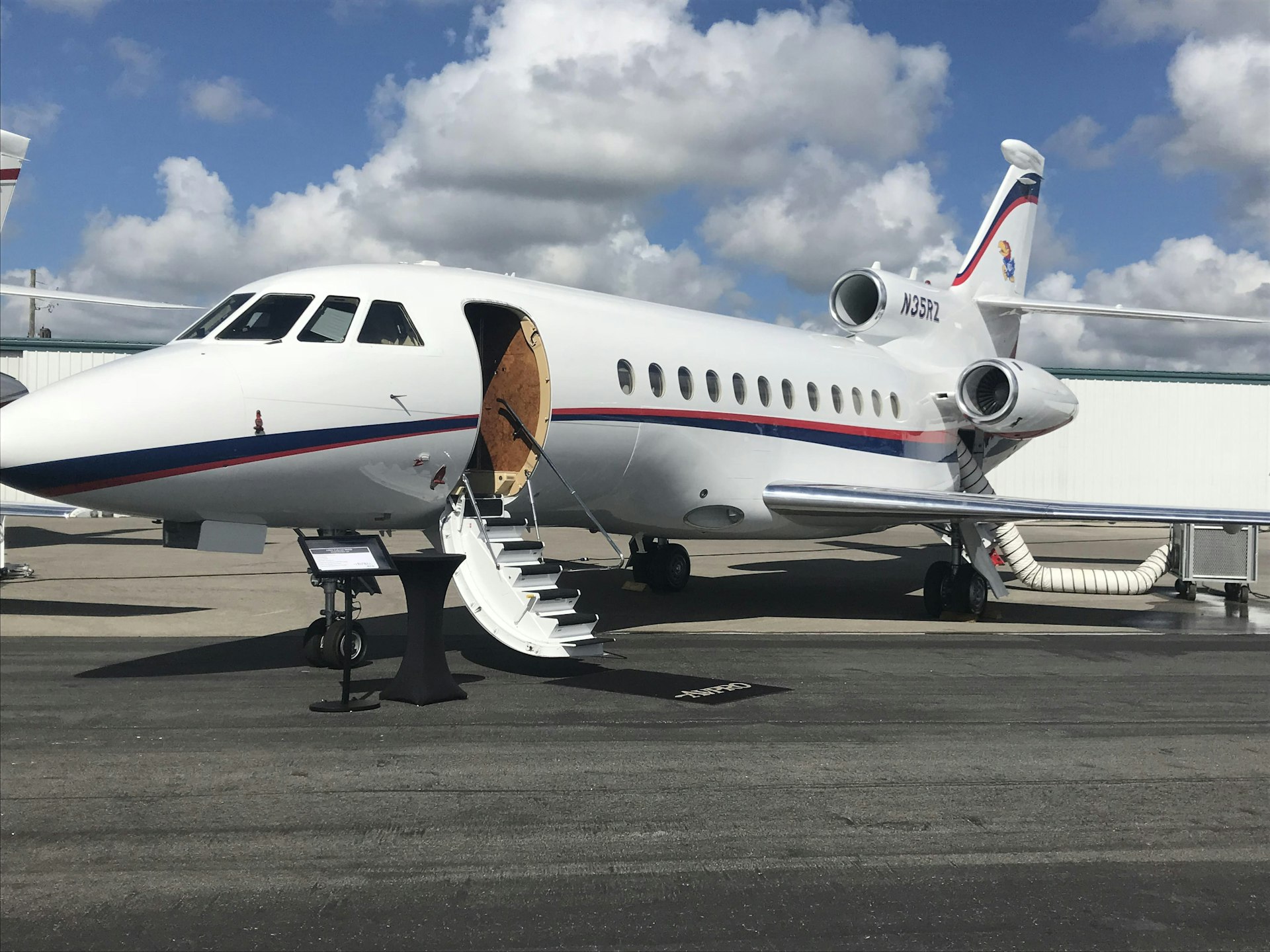
Starting today, nine Cuban airports have zero jet fuel. None. The country's civil aviation authority announced that from February 10 through March 11, 2026, airlines operating to and from Cuba will find no Jet A-1 available for refueling anywhere on the island. Air Canada has already suspended all scheduled service and is running empty ferry flights south to repatriate roughly 3,000 stranded Canadians. WestJet and AirTransat are winding down operations. More than 400 scheduled weekly flights face cancellation or diversion.
The trigger is geopolitical: a U.S.-enforced blockade of Venezuelan oil shipments to Cuba, combined with the threat of secondary sanctions on any country that fills the gap. But the lesson for the trade show and exhibition industry extends far beyond the Caribbean. Cuba's fuel crisis is a concentrated example of a vulnerability that runs through every international event on the calendar — the assumption that the aviation infrastructure connecting exhibitors to trade shows will simply be there when you need it.
The Anatomy of an Aviation Disruption
What makes the Cuba situation so instructive is its speed. Airlines received approximately 24 hours of warning before the fuel supply was cut entirely. There was no phased reduction, no six-month runway for carriers to adjust schedules. One day the system was functioning; the next, an entire country's aviation network went dark for a month.
For the thousands of travelers caught in Cuba — tourists, business visitors, family members — the scramble for alternatives has been chaotic. Airlines are arranging technical stopovers in third countries for fuel, a solution that adds hours to flight times and thousands of dollars to operating costs. Some carriers are loading maximum fuel in their departure cities and operating weight-restricted flights, carrying fewer passengers per trip. Others have simply canceled routes entirely.
When a country's aviation fuel supply disappears overnight, the ripple effects do not stop at that country's borders. They cascade through connecting routes, airline scheduling systems, and the corporate travel plans of every organization with people in transit.
This is not an abstract scenario for trade show professionals. It is a preview of the kind of disruption that can affect any international event in a region where energy supply chains are vulnerable to geopolitical pressure.
Why Trade Show Logistics Are Uniquely Exposed
Trade shows create concentrated demand spikes in specific cities on specific dates. When 50,000 attendees converge on a convention center over four days, the aviation, hotel, and ground transportation infrastructure in that city operates at or near capacity. There is no slack in the system. A disruption that removes even 10% of inbound flights does not just delay some attendees — it can collapse the economics of an entire event.
Consider the math. A major trade show exhibitor might spend $80,000 on a booth, $15,000 on custom graphics, $25,000 on product shipping, and $30,000 on staff travel and hotels. If the team cannot physically reach the venue because of an aviation disruption, the entire investment is forfeit. Insurance may cover some losses, but standard event cancellation policies typically do not cover government-imposed fuel embargoes or geopolitical sanctions that indirectly ground flights.
The Cuba crisis also highlights a less obvious vulnerability: the cargo side of aviation. Trade shows depend on freight flights and belly cargo in passenger aircraft to deliver booth materials, product samples, and demonstration equipment. When passenger flights are cut, cargo capacity disappears with them. An exhibitor whose booth components are sitting on a grounded freighter in Havana today understands this with painful clarity.
Caribbean and Latin American Events Face Immediate Risk
The most direct trade show impact of Cuba's fuel crisis falls on the broader Caribbean and Latin American event calendar. While Cuba itself is not a major trade show destination, the disruption to regional aviation networks affects nearby markets. Airlines that normally route through Cuban airspace may face longer flight paths. Caribbean hub airports that rely on connecting traffic through Havana will see reduced throughput. And the general uncertainty surrounding U.S. sanctions enforcement in the region creates a chilling effect on corporate travel approvals to any destination perceived as potentially affected.
For event organizers in Mexico, Panama, Colombia, and the Dominican Republic — all growing trade show markets — the Cuba crisis is a reminder that their events exist within a geopolitical context that can shift rapidly. A sanctions regime designed to pressure one government can produce collateral damage to aviation networks across an entire region.
Building a Travel Contingency Framework
The exhibitors and event managers who will navigate disruptions like this most effectively are those who build contingency planning into their standard operating procedures, not as an emergency response but as a permanent feature of their trade show strategy. Here is what that looks like in practice:
- Diversify airline bookings. When traveling to international shows, book your team across multiple carriers and routing options. If one airline suspends service, you want at least some team members on alternative carriers that may continue operating.
- Ship booth materials early and separately from your team. The standard practice of shipping booth components "just in time" is efficient under normal conditions and catastrophic under disruption. Ship materials at least two weeks before the event through a freight forwarder who can reroute cargo if primary paths are blocked.
- Identify backup personnel in region. For critical trade shows, maintain a list of local representatives, agency staff, or partner company employees who can staff your booth if your primary team is unable to arrive. A skeleton crew running your booth is infinitely better than an empty booth with your logo on it.
- Review insurance coverage specifically for geopolitical disruptions. Standard event cancellation insurance does not cover sanctions, fuel embargoes, or government-imposed travel restrictions. Specialized political risk insurance exists but must be purchased in advance and requires careful policy review.
- Monitor geopolitical developments in event regions. Subscribe to travel advisory services from your government's foreign affairs department and from commercial providers like International SOS or Global Guardian. Set alerts for any country where you have upcoming events.
The Broader Pattern: Energy as Event Infrastructure
Cuba's fuel crisis is dramatic because of its totality — an entire country's aviation fuel supply going to zero. But lesser versions of this disruption happen regularly and are increasing in frequency. European airports faced jet fuel shortages during refinery strikes in France in 2022 and 2023. African airports periodically experience fuel delivery interruptions due to infrastructure limitations. And the increasing weaponization of energy supply chains as geopolitical tools means that any region caught in a great-power rivalry faces elevated risk of fuel-related aviation disruptions.
For the trade show industry, which depends on the free movement of people and goods across borders more than almost any other sector, energy security is not someone else's problem. It is a direct operational concern that belongs in every event risk assessment alongside weather, health emergencies, and venue capacity.
The 3,000 Canadians waiting for ferry flights out of Cuba today are a stark reminder: the planes only fly when the fuel flows. Every exhibitor with an international event on the calendar should be asking what happens to their trade show investment if, one day, it does not.
Related Articles
Trade Shows in Philippines: Complete Exhibitor Guide
Complete guide to exhibiting at trade shows in Philippines. Visa requirements, business culture...
Exhibitor's Guide to IMPACT Muang Thong Thani
Complete exhibitor guide to IMPACT Muang Thong Thani in Bangkok, Thailand. Layout, services, nearby...
Trade Shows in New Zealand: Complete Exhibitor Guide
Complete guide to exhibiting at trade shows in New Zealand. Visa requirements, business culture...
Exhibitor's Guide to BITEC
Complete exhibitor guide to BITEC in Bangkok, Thailand. Layout, services, nearby hotels, transport...
Capture More Leads at Your Next Trade Show
Scannly helps exhibitors scan badges, track leads, and follow up faster — all from your phone.
Try Scannly FreeGet the Complete Exhibitor Toolkit
19 checklists, spreadsheets, email templates, and guides — everything you need before, during, and after the show.
Get Mega Bundle — $49.99$213.81 — Save 77%