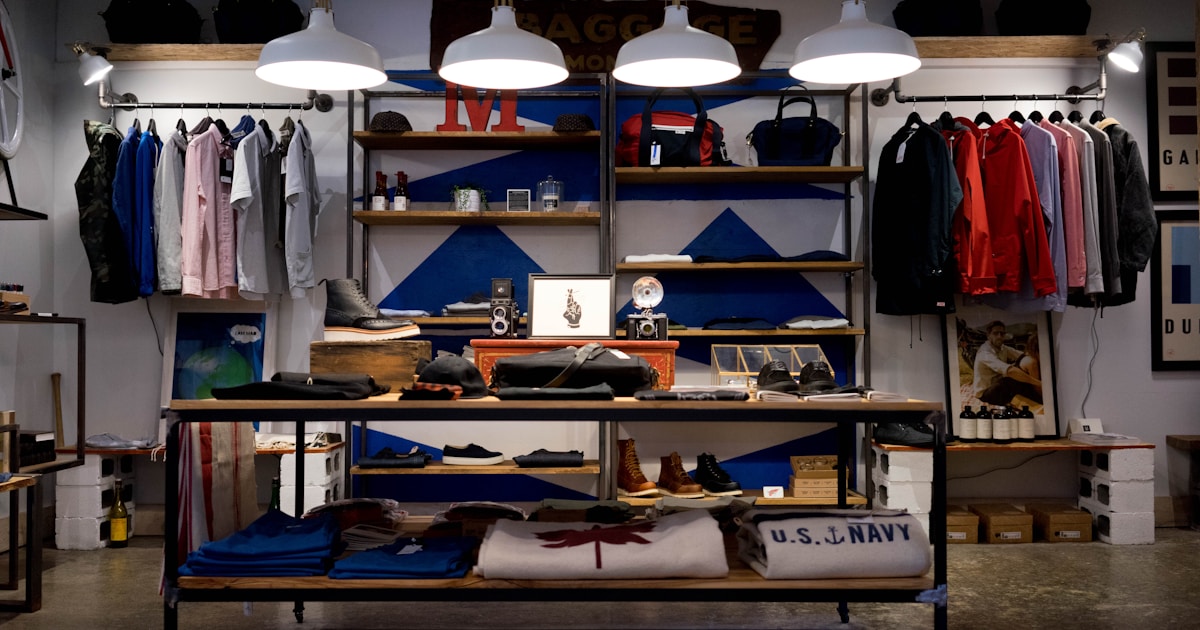
Sixty Years of Retail's Future, Unveiled in Dusseldorf
Walk into Messe Dusseldorf on any morning this week and you will feel the peculiar energy that only the world's largest retail trade fair can generate—the sound of 1,900 exhibitors from 60 countries competing for attention across 100,000 square meters of exhibition space, all united by a single conviction: that the store of the future is being invented right here, right now, in these halls. EuroShop 2026, which opened its doors on February 22, is not just celebrating its 60th anniversary. It is staging the most ambitious reinvention in its history, reorganizing the entire show around seven "retail dimensions" that replace the traditional product-category layout that defined the fair for decades.
The shift matters far beyond Dusseldorf. EuroShop's triennial cycle means it captures three years of accumulated innovation in a single five-day burst. The technologies, design philosophies, and business models debuting here set the agenda for the global retail industry until EuroShop returns in 2029. For exhibitors, show organizers, and retail professionals watching from around the world, this edition is a masterclass in how a legacy trade show can reinvent itself without losing the density and serendipity that make physical events irreplaceable.
"EuroShop doesn't just show you what retail will look like next year. It shows you what retail will look like in five years, because the exhibitors here are showing technology that's still 18 to 36 months from mass deployment." — Chief Innovation Officer, Major European Retail Chain
The 7 Dimensions: A New Way to Organize a Trade Show
The most consequential decision EuroShop's organizers made for 2026 was abandoning the traditional hall-by-product-category layout. Instead, the show is organized around seven "retail dimensions"—thematic zones that group exhibitors by the problems they solve rather than the products they sell. It is a structural innovation that other trade shows should study carefully, because it reflects how buyers actually think.
A retail executive searching for a way to reduce checkout friction does not care whether the solution involves hardware, software, or store design. Under the old layout, they would need to visit three separate halls to evaluate their options. Under the dimension model, all checkout-related solutions—from autonomous checkout technology to queue-management systems to store layout design—cluster together in a single thematic zone.
The Seven Dimensions in Detail
EuroShop 2026's 7 Retail Dimensions
- Dimension 1 — Shop Fitting & Store Design: The physical environment of retail. Fixtures, furniture, materials, lighting integration, modular store concepts, and pop-up infrastructure. Halls 1-4 at Messe Dusseldorf.
- Dimension 2 — Visual Merchandising & Retail Marketing: Everything that communicates with the shopper. Signage, displays, mannequins, seasonal decoration systems, digital signage integration, and in-store media. Halls 4-5.
- Dimension 3 — Lighting: Dedicated to retail illumination. LED systems, smart lighting controls, circadian retail lighting, energy-efficient solutions, and lighting design services. Hall 10.
- Dimension 4 — Materials & Surfaces: Flooring, wall systems, ceiling solutions, sustainable materials, acoustic treatments, and architectural surfaces for retail environments. Hall 13.
- Dimension 5 — Food Service & Hospitality: The convergence of retail and foodservice. Kitchen equipment, food display, bakery technology, restaurant-in-store concepts, and grab-and-go systems. Halls 14-17.
- Dimension 6 — Retail Technology: The digital backbone. POS systems, inventory management, AI analytics, autonomous checkout, RFID, electronic shelf labels, and omnichannel platforms. Halls 6-7.
- Dimension 7 — Expo & Event Marketing: Experiential retail and brand activation. Event technology, digital engagement, immersive experiences, AR/VR retail applications, and pop-up engineering. Hall 8a.
The dimension model is more than organizational convenience. It reflects a fundamental truth about modern retail: the boundaries between categories are dissolving. A lighting system is also a data-collection tool. A store fixture is also a digital display. A checkout counter is also a marketing surface. By organizing around dimensions rather than product categories, EuroShop acknowledges that exhibitors increasingly defy simple classification—and that buyers need to see solutions in context, not in isolation.
AI Everywhere: The Digitalization Dimension Takes Center Stage
If there is a single technology dominating conversation at EuroShop 2026, it is artificial intelligence—but not the vague, aspirational AI of trade show keynotes past. The AI on display in Halls 6 and 7 is specific, deployed, and measurable. Exhibitors are showing systems that are already running in production retail environments, generating real ROI data that buyers can evaluate against their own operations.
The most compelling demonstrations cluster around three application areas. First, AI-powered demand forecasting and inventory optimization: companies like Blue Yonder, Relex Solutions, and a wave of European startups are showing systems that predict store-level demand with accuracy rates above 95%, reducing both stockouts and overstock by double-digit percentages. For retailers operating on thin margins, the difference between 90% and 96% forecast accuracy can represent millions in recovered revenue.
Second, computer vision for store analytics: the ability to understand shopper behavior through visual data has matured dramatically. Multiple exhibitors are demonstrating systems that track foot traffic patterns, measure dwell times, identify product interactions, and generate heat maps of store activity—all without collecting personally identifiable information. The privacy-first architecture is critical for European deployment under GDPR, and it represents a significant advancement over the more invasive approaches that drew regulatory scrutiny in previous years.
Third, generative AI for personalized in-store experiences: several exhibitors are showing systems that use large language models to power in-store digital assistants, personalized digital signage, and dynamic merchandising recommendations. One German startup demonstrated a system where a shopper approaching a wine display receives personalized pairing suggestions on a nearby screen based on their shopping cart contents, without any opt-in or identification—the AI infers preferences from the products already in the basket through computer vision.
"Three years ago at EuroShop, AI was a buzzword on the keynote stage. Today it's a line item in exhibitor ROI calculations. That's the difference between hype and deployment." — Director of Retail Technology, Global Systems Integrator
The Autonomous Store Arms Race
The autonomous checkout space has matured considerably since the last EuroShop in 2023. At least twelve exhibitors are showing grab-and-go or frictionless checkout solutions, ranging from full-store autonomous systems to hybrid approaches that combine self-checkout with AI-assisted verification. The technology has moved past the "demo store" phase into genuine commercial deployment, with several exhibitors citing installations across hundreds of locations.
What is striking is the diversity of approaches. Some exhibitors rely entirely on overhead camera systems. Others combine cameras with shelf sensors. A growing contingent uses a fusion of computer vision and RFID, arguing that the combination provides higher accuracy at lower computational cost. For trade show professionals evaluating these technologies, the key question is no longer "does it work?" but "which architecture best fits my store format, product mix, and budget?"
Sustainability: From Pavilion to Pervasive Theme
At previous editions of EuroShop, sustainability occupied a dedicated pavilion—a well-intentioned but somewhat isolated zone where eco-friendly products were displayed for the already-converted. In 2026, sustainability has been woven into every dimension, reflecting the reality that European retailers face binding ESG regulations and consumer expectations that make green retail a business imperative rather than a marketing choice.
The Materials and Surfaces dimension (Halls 13) is the most visible manifestation of this shift. Exhibitors are showcasing flooring made from recycled ocean plastics, wall panels manufactured from agricultural waste, ceiling systems that incorporate living plants for air purification, and modular fixture systems designed for disassembly and reuse rather than disposal. Several companies are showing full lifecycle cost analyses demonstrating that sustainable materials, while sometimes carrying a higher upfront cost, deliver lower total cost of ownership when maintenance, durability, and end-of-life disposal are factored in.
The Lighting dimension has been transformed by energy efficiency requirements. LED technology is now the baseline, not the innovation. The new frontier is smart lighting systems that adjust output based on occupancy, daylight availability, and even product-specific illumination needs. One exhibitor demonstrated a system that reduces lighting energy consumption by 62% compared to conventional LED installations through dynamic dimming, occupancy sensing, and daylight harvesting—while simultaneously improving color rendering for merchandise display.
Sustainability Standouts at EuroShop 2026
- Circular fixtures: Multiple exhibitors showing modular store fixtures designed for 10+ reconfigurations, eliminating the need for disposal when store layouts change.
- Bio-based materials: Retail surfaces made from mycelium (mushroom roots), hemp composites, and recycled textiles are moving from prototype to production.
- Energy-positive stores: Integrated systems combining solar canopies, battery storage, and smart HVAC that allow stores to generate more energy than they consume during daylight hours.
- Digital twins for sustainability: AI-powered store modeling tools that simulate energy consumption, foot traffic, and material degradation before a single fixture is installed.
- Refrigeration revolution: Natural refrigerant systems (CO2, propane) replacing HFC-based cooling in food retail, with exhibitors showing 40% energy savings.
The Emotionalized Store: Retail as Theater
Perhaps the most distinctly European theme at EuroShop 2026 is what organizers call "emotionalized shopping"—the idea that physical retail must compete not on convenience (a battle largely lost to e-commerce) but on experience, sensation, and emotional connection. The concept permeates the Shop Fitting, Visual Merchandising, and Expo dimensions, and it represents a philosophical commitment to the future of the physical store that feels particularly urgent in the wake of Amazon's recent ascent past Walmart.
The most striking booth on the show floor belongs to a Dutch experience design firm that has constructed a full-scale prototype of what they call the "sensorial store"—a 400-square-meter space where scent, sound, lighting, and tactile surfaces change dynamically as shoppers move through different zones. The fragrance section releases subtle botanical scents. The wellness area bathes visitors in warm, low-frequency sound. The beauty section uses lighting tuned to mimic golden-hour sunlight. It sounds gimmicky in description; in person, it is genuinely arresting.
The underlying technology is surprisingly practical. The sensorial elements are controlled by a central experience management platform that integrates with existing POS and inventory systems. When the fragrance section sells through a particular product, the ambient scent profile adjusts automatically. When foot traffic patterns shift, the lighting and sound zones rebalance. It is experience design backed by operational intelligence, and it points toward a future where the physical store competes on dimensions that a screen simply cannot replicate.
Dusseldorf Store Tours: Innovation in the Wild
One of EuroShop's most valuable features is its program of guided store tours through Dusseldorf's retail landscape. The city has long been one of Europe's premier retail destinations, and the store tours—available to registered attendees—showcase how the technologies and design concepts on display in Messe Dusseldorf look when deployed in real operating environments.
This year's tours focus on three themes: experiential flagship stores along the Konigsallee, Dusseldorf's luxury shopping boulevard; innovative grocery concepts in the city's emerging food retail scene; and sustainability-forward stores that demonstrate how European retailers are meeting EU Green Deal requirements in practice. The tours sell out quickly—they are capped at 25 participants for quality of experience—but the insights they provide are difficult to obtain any other way.
For U.S. exhibitors and retail professionals visiting EuroShop, the store tours are particularly valuable because they expose concepts that have not yet crossed the Atlantic. European retail design tends to lead U.S. practice by two to three years in areas like sustainability, food-retail integration, and experiential store design. Seeing these concepts in operation, speaking with store managers about implementation challenges, and observing shopper reactions provides a competitive intelligence advantage that justifies the trip to Dusseldorf by itself.
NRF Retail's Big Show
The National Retail Federation's annual event is the U.S. counterpart to EuroShop. Many technologies debuting in Dusseldorf will appear at NRF with North American market positioning.
View Show Details →Retail Technology Show London
Europe's focused retail tech event will showcase many EuroShop exhibitors in a more intimate setting. Strong emphasis on AI, payments, and omnichannel integration.
View Show Details →Shoptalk 2026
The premier U.S. retail innovation conference. Heavy on content and networking, lighter on exhibition space. Attracts the venture-backed startup ecosystem that feeds retail innovation.
View Show Details →SXSW 2026
SXSW's retail and commerce track has expanded significantly, attracting brands exploring the intersection of technology, culture, and consumer experience.
View Show Details →Lessons for Trade Show Organizers: What EuroShop Gets Right
Beyond the retail technology on display, EuroShop 2026 is a case study in trade show evolution. Several elements of this edition deserve close study by organizers in every industry.
The Dimension Model as Organizational Innovation
The shift from product categories to solution dimensions is the kind of structural change that looks obvious in retrospect but requires genuine courage to execute. Reorganizing a show with 1,900 exhibitors means telling companies that have occupied the same hall for decades that they are moving—and that their new neighbors might be competitors in ways they had not previously considered. The fact that EuroShop's organizers at Messe Dusseldorf pulled this off while maintaining exhibitor retention rates above 90% is a testament to the years of consultation and communication that preceded the change.
Other trade shows should take note: buyers do not think in product categories. They think in problems. A food-industry executive visiting a packaging show does not separate "packaging materials" from "filling equipment" from "labeling systems" in their mind—they see a packaging line. Organizing shows around buyer problems rather than exhibitor product categories reduces the cognitive load on attendees and increases the likelihood of meaningful connections.
The Triennial Advantage
EuroShop runs every three years, which gives it a built-in advantage over annual shows: the gap between editions creates genuine anticipation and ensures that the technology on display represents a full innovation cycle rather than incremental updates. Annual shows struggle with the "what's really new?" problem—exhibitors who debuted a product last year cannot generate the same excitement showing a minor upgrade twelve months later. The triennial model guarantees that every edition of EuroShop feels like an event, because it is.
Not every show can adopt a triennial schedule—many industries need annual touchpoints—but the lesson generalizes: trade shows need to create genuine moments of revelation. Whether that means restructuring the show, curating an innovation zone with genuinely new-to-market products, or imposing minimum novelty requirements for premium floor space, organizers must fight the incremental drift that makes shows feel repetitive.
Integration of Education and Exhibition
EuroShop 2026 has invested heavily in its conference program, running more than 300 sessions across five stages embedded directly in the exhibition halls. The speakers are not isolated in a convention center ballroom three buildings away—they are on stages surrounded by booths, creating a natural flow between learning and exploring. Attendees who hear a speaker discuss AI-powered inventory optimization can walk 50 meters and see the technology demonstrated live. This integration is deliberate and effective.
"The best trade shows make you feel like you've traveled five years into the future in five days. EuroShop 2026, at its best, delivers exactly that sensation. You leave Dusseldorf seeing your own stores differently." — VP of Store Development, Global Fashion Retailer
What U.S. Exhibitors and Attendees Should Know
For the American trade show professionals who made the trip to Dusseldorf this year, EuroShop offers a valuable calibration point. The European retail market operates under different regulatory pressures (GDPR, EU Green Deal, packaging regulations), different consumer expectations (higher sustainability consciousness, different attitudes toward data sharing), and different competitive dynamics (stronger independent retail sector, less Amazon dominance). These differences mean that technologies and concepts debuting at EuroShop will need adaptation for the U.S. market, but they also mean that EuroShop previews solutions that will become relevant stateside as U.S. regulations and consumer expectations evolve.
The tariff ruling issued by the U.S. Supreme Court on the same day EuroShop opened adds another layer of relevance. European retail technology companies—many of whom are exhibiting in Dusseldorf this week—face a dramatically different cost landscape for entering the U.S. market. The shift from country-specific IEEPA tariffs to a flat 15% Section 122 surcharge reduces the cost barrier for European exhibitors at U.S. shows and for European technology deployments in U.S. retail environments. The conversations happening in Dusseldorf right now are very much shaped by this new reality.
For U.S.-based show organizers, EuroShop is both competition and inspiration. Competition, because European retail shows set a standard for quality and innovation that U.S. events must match to retain international exhibitors and attendees. Inspiration, because the structural innovations EuroShop introduces—the dimension model, the embedded conference program, the city-wide store tours—represent ideas that can be adapted and applied to shows in every industry, not just retail.
By the Numbers: EuroShop's Economic Impact
The scale of EuroShop 2026 is staggering even by trade show industry standards. The show occupies 16 halls across the Messe Dusseldorf campus, with total exhibition space exceeding 100,000 square meters—roughly the area of 20 football fields. The 1,900 exhibitors come from 60 countries, with the largest national contingents from Germany, Italy, China, the United States, and the Netherlands. Organizers expect approximately 96,000 attendees over the five-day run, generating an estimated economic impact of more than 500 million euros for the Dusseldorf metropolitan area.
For exhibitors, the investment is substantial. A standard booth at EuroShop starts at around 8,000 euros for a small inline space, while major exhibitors with custom builds routinely invest 500,000 euros or more in their presence. The total exhibitor investment across the show—including booth construction, staffing, travel, and hospitality—is estimated at more than 1.2 billion euros. That level of investment only makes sense if the show delivers proportionate value, and the consistently high exhibitor return rate suggests that it does.
EuroShop's economic model is also notable for its reliance on international exhibitors and attendees. Approximately 70% of exhibitors come from outside Germany, and about 60% of attendees travel internationally to attend. This global mix creates the cross-pollination of ideas that gives EuroShop its distinctive character—and it is exactly the kind of international participation that tariff barriers and trade tensions have threatened in recent years.
Looking Ahead: What EuroShop 2026 Tells Us About 2029
If history is any guide, the innovations debuting at EuroShop 2026 will define the retail landscape for the next three years and preview what will be mature and ubiquitous by EuroShop 2029. Based on what we are seeing in Dusseldorf this week, the trajectory is clear: retail will become more automated, more sustainable, more experiential, and more data-driven, with the physical store evolving from a distribution point to a brand experience hub.
The exhibitors betting biggest on this future are the ones investing in integrated platforms rather than point solutions—systems that combine checkout, inventory, lighting, HVAC, and customer engagement into a single management layer. The standalone POS terminal or the isolated digital sign is giving way to networked ecosystems where every element of the store communicates with every other element. The store of 2029, if EuroShop 2026 is any indication, will be less a collection of technologies and more a unified intelligent environment.
For trade show professionals across every industry, the takeaway is both specific and universal. Specifically, EuroShop 2026 is worth attending or studying closely for anyone connected to the retail supply chain. Universally, the show demonstrates that a 60-year-old trade fair can reinvent itself through structural innovation, thematic courage, and an unwavering commitment to being the place where an industry's future becomes tangible. That is the promise every trade show should aspire to keep.
Capture Every Lead at Your Next Show
Whether you are exhibiting at EuroShop, NRF, or your next regional trade event, Scannly ensures no connection is lost. Scan badges, collect contacts, and sync to your CRM in real time.
Try Scannly Free →