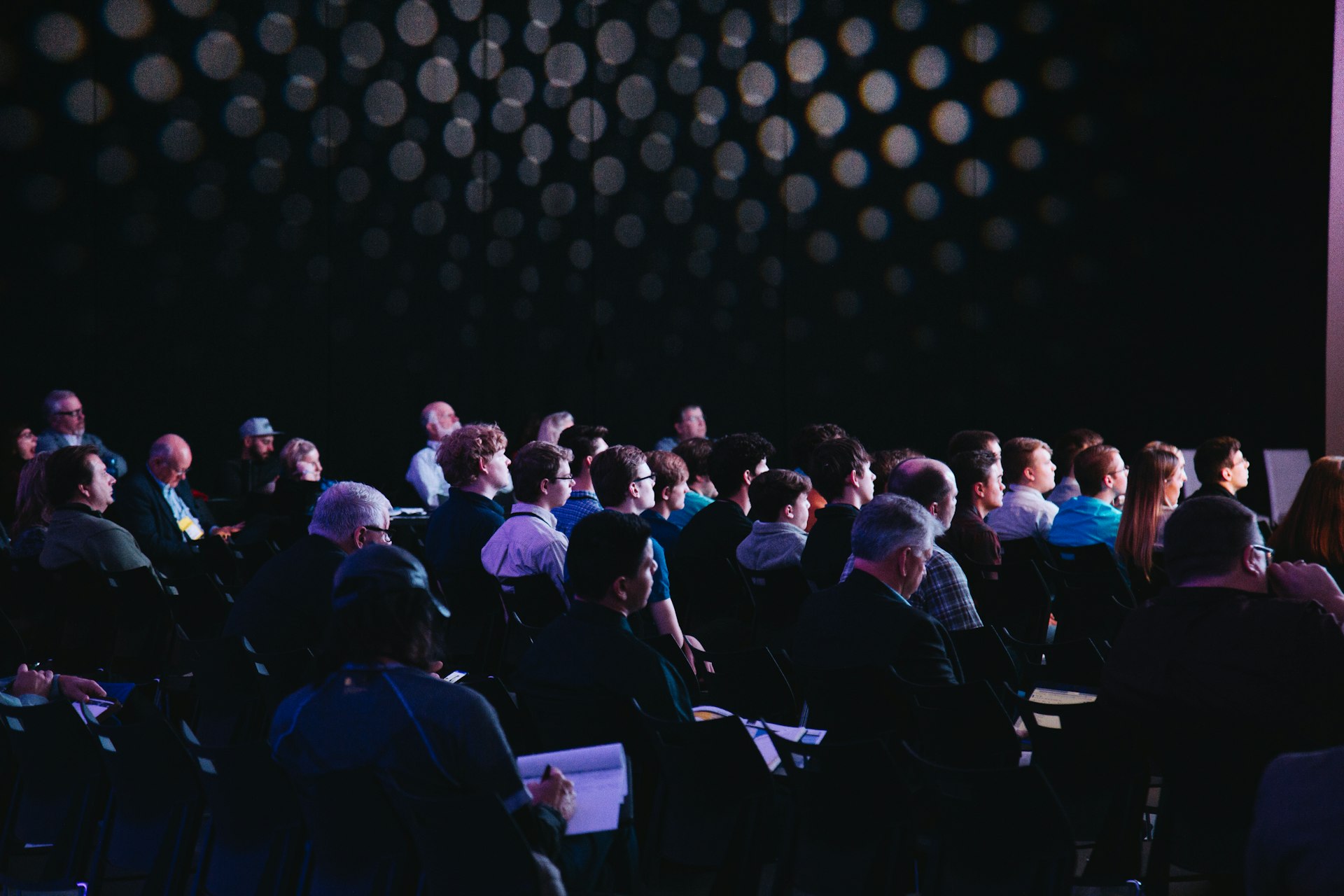
CES is the biggest, most influential consumer technology trade show on the planet. Every January, Las Vegas transforms into the global epicenter of innovation, and for exhibitors, the opportunity is massive. But so is the complexity. Whether this is your first year exhibiting or your fifteenth, the logistics, costs, and strategic decisions involved in a successful CES presence demand careful planning.
This FAQ covers everything exhibitors need to know about CES 2026 — from booth pricing and venue details to hotel strategy, transportation, lead capture, and how to actually stand out on a floor packed with over 4,500 companies. Read it before you sign your contract.
Table of Contents
- Is CES worth exhibiting at in 2026?
- How much does a booth cost at CES 2026?
- What are the CES 2026 venues?
- How do I get the best booth location at CES?
- What is the attendee profile at CES?
- When should I register to exhibit at CES 2026?
- What are the setup and teardown rules at CES?
- What are the best hotels for CES exhibitors?
- What are the best restaurants near CES for client meetings?
- What are the best transportation options during CES?
- What are the lead capture rules at CES?
- How much do electricity and internet cost at CES?
- What are the union labor requirements at CES?
- What are the best days to exhibit at CES?
- How do I stand out as an exhibitor at CES?
- Should I attend CES even if I don't have a booth?
Is CES worth exhibiting at in 2026?
Yes — but with caveats. CES remains the world's most influential technology trade show, drawing over 130,000 attendees and 4,500+ exhibitors annually. For companies in consumer electronics, automotive tech, AI, health tech, smart home, and emerging technology categories, CES provides unmatched visibility with global media, retail buyers, investors, and enterprise decision-makers all concentrated in one city for four days.
The show generates more tech media coverage than any other event on the calendar. A CES Innovation Award alone can drive months of press. Major retail buyers from Best Buy, Amazon, Walmart, and Target send teams specifically to discover new products. If your product has a consumer-facing element, there is no better stage.
That said, CES is not cheap. A realistic all-in budget for a first-time exhibitor with a 10x10 booth is $25,000-$50,000 once you factor in space rental, booth construction, travel, hotels, electricity, internet, labor, shipping, and marketing materials. For larger exhibits, six-figure budgets are standard. The question is not whether CES is worth it in the abstract — it is whether your specific goals, target audience, and budget align with what CES delivers. If your buyers are on the floor, CES is worth every dollar. If your audience is niche and not well-represented at CES, consider a vertical-specific show instead.
How much does a booth cost at CES 2026?
CES booth pricing varies significantly by location, size, and exhibitor category. Here is a realistic breakdown of what to expect for space rental alone:
- Inline booths (LVCC): $42-$48 per square foot. A standard 10x10 space runs approximately $4,200-$4,800.
- Island booths (LVCC): $48-$55+ per square foot for open-floor configurations with access from all sides.
- Premium locations (Central Hall): Can exceed $55 per square foot. Central Hall is where the biggest brands and the highest traffic converge.
- Eureka Park (startups): Turnkey packages start around $4,600 and include a small booth, basic furnishings, and a shared startup pavilion presence.
- Venetian Expo: Pricing is comparable to LVCC, though some categories are only available at specific venues.
Remember: space rental is just the starting point. Your true cost includes booth design and construction ($5,000-$100,000+), electrical service ($300-$1,500), internet ($800-$3,000+), furniture rental, shipping, drayage (the cost of moving your materials from the loading dock to your booth space), labor, and travel for your team. A common rule of thumb is that your total CES investment will be 3-5x your space rental cost. Budget accordingly.
What are the CES 2026 venues?
CES sprawls across multiple venues throughout Las Vegas. Understanding the venue layout is critical for choosing the right space and planning your logistics:
- Las Vegas Convention Center (LVCC): The primary venue with Central Hall, North Hall, South Hall, and West Hall. The LVCC West Hall opened in 2021 and added 1.4 million square feet of exhibit space. Central Hall is the anchor — it gets the heaviest traffic and hosts the biggest brands.
- Venetian Expo (formerly Sands Expo): Connected to The Venetian hotel, this venue typically hosts categories like digital health, smart home, fitness tech, and sustainability. It is an excellent location for mid-size exhibitors seeking strong foot traffic without Central Hall pricing.
- ARIA: Hosts select automotive and high-end technology exhibits.
- Mandalay Bay Convention Center: Used for overflow exhibits and some specialty categories.
- C Space at ARIA: Focused on marketing, advertising, and content. If you are targeting CMOs and brand marketers, C Space is your venue.
The venues are spread across Las Vegas, and travel between them during the show can eat significant time. If possible, keep your meetings and booth location at the same venue or along the monorail route. The free CES shuttles connect venues, but expect 20-40 minute waits during peak hours.
How do I get the best booth location at CES?
Booth placement at CES is governed by a priority point system managed by the Consumer Technology Association (CTA). Here is how it works and how to maximize your position:
Returning exhibitors accumulate priority points based on consecutive years of exhibiting and booth size. Companies with higher points get earlier access to the floor plan during space selection. First-time exhibitors start with zero points, which means your location options will be more limited — but not necessarily bad.
To get the best location possible, register as early as you can. Space selection happens in phases, and late registrants get whatever is left. Request locations near main entrances, primary aisles, or anchor exhibitors (Samsung, LG, Sony, etc.) — their massive booths draw crowds that spill into surrounding areas. Corner positions and end-cap locations offer better visibility than mid-aisle inline slots.
If you are a startup, Eureka Park is a strong option. It concentrates emerging companies in a dedicated area that attracts investors, media, and scouts specifically looking for new discoveries. Being in Eureka Park signals that you are early-stage and interesting, which can be more effective than being lost in a massive hall.
One tactical tip: talk to your CES sales representative. They have insight into which areas are filling up and which might offer better value. Building a relationship with your CTA contact pays dividends over multiple years of exhibiting.
What is the attendee profile at CES?
CES attracts the most influential cross-section of any technology event. Understanding who is on the floor helps you tailor your messaging, staff your booth effectively, and set realistic expectations for lead quality:
- Executives: Approximately 40% of attendees hold VP-level titles or above. C-suite representation is strong, particularly from technology, retail, and media companies.
- International attendees: Around 30% of CES attendees come from outside the United States, representing 150+ countries. European and Asian delegations are particularly large.
- Media: Over 5,000 journalists and content creators attend CES, making it the most media-dense tech event globally.
- Investors: Venture capitalists, private equity firms, and corporate venture arms send teams to scout Eureka Park and emerging technology categories.
- Retail buyers: Purchasing teams from major retailers walk the floor looking for products to stock.
- Government officials: Policy makers attend CES to understand technology trends impacting regulation.
The breadth of the CES audience is both its strength and its challenge. You will meet incredible contacts, but you will also spend time with people who are not your buyers. Train your booth staff to qualify visitors quickly and have a clear system for categorizing leads by priority level.
When should I register to exhibit at CES 2026?
Exhibitor registration for CES 2026 typically opens in the spring of the prior year — usually around April or May 2025. Here is the timeline you should follow:
- April-June: Registration opens. Apply immediately for best pricing and booth selection priority.
- July-September: Space selection begins in phases based on priority points. First-time exhibitors typically select in later rounds.
- October-November: Final registration deadlines approach. Late registrants face limited availability and higher rates.
- December: Final preparations. Confirm shipping deadlines, labor orders, and utility connections.
Early registration is not just about pricing — it directly affects your booth location. Companies that register late often end up in less-trafficked areas of secondary halls. If CES is important to your business, treat registration as a spring priority, not a fall afterthought.
For Eureka Park, the process is slightly different. Startup applications involve a vetting process, and spaces are limited. Apply as early as possible — the program fills up, and waitlists are common.
What are the setup and teardown rules at CES?
CES setup and teardown are tightly scheduled, and missing your window creates expensive problems:
Move-in (setup): Begins 3-5 days before the show opens, with larger booths getting earlier access. Island exhibits and large custom booths may begin setup on Saturday or Sunday for a Tuesday show opening. Inline 10x10 booths typically get Monday setup access. Your exhibitor kit will include a specific move-in schedule — follow it precisely.
Move-out (teardown): Begins immediately after the show closes on the final day (typically Friday at 4:00 PM). All booth materials must be packed and removed within 24 hours. The floor becomes chaotic during teardown, so have your shipping labels, crates, and logistics pre-arranged. Do not wait until the last day to figure out how your materials are getting home.
Key rules to know:
- Union labor is required for electrical connections, plumbing, rigging, and forklift operation at the LVCC.
- You can unpack and arrange your own booth materials on tables and shelves without hiring labor, as long as no power tools or ladders over 6 feet are involved.
- All crates and empty containers are removed from the floor during the show and stored — there is a charge for this storage.
- Exceeding your booth footprint or height restrictions will result in forced modifications at your expense.
What are the best hotels for CES exhibitors?
Hotel selection during CES is a strategic decision, not just a logistical one. Where you stay determines your commute to the show floor, your proximity to evening networking events, and your ability to host client meetings. Here are the best options by venue:
Near the Las Vegas Convention Center:
- Renaissance Las Vegas: Walkable to LVCC, mid-range pricing, solid business hotel.
- Westgate Las Vegas: Directly adjacent to LVCC with a covered walkway. Convenient but dated.
- Las Vegas Marriott: Short walk to LVCC, modern rooms, reliable quality.
Near the Venetian Expo:
- The Venetian / Palazzo: Directly connected to the Venetian Expo. Premium pricing but unbeatable convenience if your exhibit is at this venue.
- Wynn / Encore: Walking distance, upscale, excellent for client dinners and meetings.
Budget-friendly options: The off-Strip hotels and downtown properties offer lower rates, but commute times can be significant during CES week when traffic is severe. The tradeoff is rarely worth it for exhibitors who need to be on the floor early.
Book through the official CES housing block for negotiated rates, and reserve at least 6 months in advance. During CES week, Las Vegas hotel rates spike 2-3x. Rooms at Strip properties can exceed $400-$500 per night. Early booking is essential — the CES housing block sells out, and post-sellout rates are painful.
What are the best restaurants near CES for client meetings?
CES week transforms Las Vegas dining into a battlefield of reservations. Every restaurant near the Strip fills up with exhibitors hosting clients, investors taking meetings, and media teams running on expense accounts. Plan your dining strategy early and book reservations at least 3-4 weeks before the show.
High-end business dinners:
- SW Steakhouse (Wynn): Excellent steaks, impressive ambiance with a waterfall view. Perfect for closing deals.
- CUT by Wolfgang Puck (Palazzo): Modern steakhouse with a sleek design. Close to the Venetian Expo.
- Bazaar Meat by Jose Andres (SLS/Sahara): Creative meat-focused concept that impresses foodie clients.
- Carbone (ARIA): Italian-American fine dining. Dramatic atmosphere, consistently excellent.
- Nobu (Caesars Palace): Japanese fine dining that works for international guests.
Casual client lunches:
- Yardbird (Venetian): Southern comfort food. Upscale casual, great for relaxed meetings.
- Momofuku (Cosmopolitan): David Chang's Vegas outpost. Excellent food, not stuffy.
- Esther's Kitchen (Arts District): Slightly off the beaten path, but a favorite of tech executives who want to escape the Strip.
Pro tip: if you cannot get a reservation at a popular restaurant, many hotels have private dining rooms available for rent. These are excellent for small group meetings and product demonstrations over dinner. Ask your hotel concierge about options.
What are the best transportation options during CES?
Getting around Las Vegas during CES is one of the most frustrating parts of the experience. Traffic is severe, rideshare prices surge, and walking distances between venues are deceptive. Here is how to minimize transportation headaches:
- CES Shuttles: Free shuttle buses connect the major venues on a continuous loop. They are the cheapest option but expect 20-40 minute waits during peak hours (morning opening, lunch, and closing). Plan your schedule around shuttle availability rather than relying on them for time-sensitive meetings.
- Las Vegas Monorail: Connects several Strip hotels to a station adjacent to the LVCC. It costs $5 per ride or $13 for a day pass. It is faster than shuttles for north-south Strip travel and avoids road traffic entirely. Highly recommended for exhibitors staying at monorail-connected hotels.
- Rideshare (Uber/Lyft): Convenient but expensive during CES. Expect surge pricing of $40-$80 per ride, especially during morning and evening peaks. Pickup locations at LVCC and the Venetian Expo can have 15-20 minute wait times. Schedule rides in advance when possible.
- Walking: Often the fastest option for short distances. The walk from The Venetian to LVCC takes about 15-20 minutes. Wear comfortable shoes — you will walk 8-12 miles per day at CES.
- Private car service: For critical client meetings where punctuality matters, pre-arrange a private car. This costs $50-$100 per hour but eliminates the uncertainty of rideshare surge pricing and wait times.
The single best transportation tip for CES: stay at a hotel that is walkable to your primary venue. No amount of rideshare spending replaces the convenience of a 5-minute walk back to your room between meetings.
What are the lead capture rules at CES?
Lead capture at CES is the entire point of exhibiting, so understanding the system and your options is essential:
Official CES lead capture: CES provides an official badge scanning system through its technology partner. You rent handheld scanners or use the official app to scan attendee badges. Scanned data typically includes name, title, company, email, and phone number — information attendees provided during registration. Rental costs for the official system vary but expect $300-$600 per device.
Third-party options: You are permitted to use third-party lead capture tools alongside or instead of the official system. Apps like Scannly offer QR code-based contact exchange that works independently of the badge scanning system. The advantage is speed and flexibility — you capture leads directly to your phone and can export them instantly.
Privacy compliance: With a significant international audience (30%+ of CES attendees), GDPR compliance is not optional. Ensure your lead capture process includes proper consent mechanisms, especially for European attendees. Have a clear privacy policy posted at your booth, and make sure your staff understands what they can and cannot do with collected data.
Best practices: Scan every meaningful conversation. Train your staff to tag leads with notes (hot/warm/cold, product interest, follow-up action) immediately after each interaction. The most common exhibitor mistake at CES is collecting 500 badge scans and having no context for any of them when they return to the office.
How much do electricity and internet cost at CES?
Utilities at CES are a significant hidden cost that catches first-time exhibitors off guard. Neither electricity nor internet is included in your booth rental. Here is what to budget:
Electricity:
- Standard 500W/5A 120V outlet: $300-$500
- Standard 1,000W/10A 120V outlet: $450-$700
- Higher amperage for displays, large monitors, or multiple devices: $700-$2,000+
- 24-hour power (for refrigerated displays, servers, etc.): add 50-100% surcharge
Internet:
- Basic shared WiFi: sometimes available on the floor, but unreliable and slow. Do not depend on it for demos.
- Dedicated wired connection (5-10 Mbps): $800-$1,500
- High-speed dedicated connection (25-100 Mbps): $1,500-$3,500
- Enterprise-grade connection for streaming/cloud demos: $3,000-$5,000+
Order early. Utility orders placed before the early-bird deadline (typically 4-6 weeks before the show) receive a 20-30% discount. Orders placed on-site carry steep surcharges — sometimes double the advance rate. If your demo depends on reliable internet, invest in a dedicated line. The floor WiFi at CES is notoriously unreliable with 130,000 people competing for bandwidth.
What are the union labor requirements at CES?
The Las Vegas Convention Center is a union facility, and understanding the labor rules will save you money and prevent costly delays during setup:
What requires union labor:
- All electrical connections and disconnections
- Plumbing installation
- Rigging (hanging signs, banners, or structures from the ceiling)
- Forklift operation and heavy equipment movement
- Any work involving power tools
- Ladder work above 6 feet
What you can do yourself:
- Unpack and arrange products on tables and shelves
- Set up tabletop displays and signage that does not require tools
- Arrange marketing materials and literature
- Connect computers and monitors to existing power outlets (once the electrician has installed the connection)
Cost expectations: Union labor rates at CES range from $75-$150 per hour per worker, with minimum call times (typically 4 hours) and overtime rates for evenings, weekends, and holidays. Electrical work during setup weekend is often charged at overtime rates. Budget $500-$2,000 for a basic 10x10 booth setup, and significantly more for larger installations.
Order labor through the official CES exhibitor portal and confirm your time slots well in advance. Last-minute labor requests during setup are expensive and sometimes impossible to fill.
What are the best days to exhibit at CES?
Not all CES days are created equal. Traffic patterns follow a predictable curve, and smart exhibitors plan their energy and staffing accordingly:
- Tuesday (Day 1): The highest-energy day. Media attendance peaks. Press conferences and product unveilings dominate. This is when you want your best demo team on the floor and your booth looking pristine. The traffic can be overwhelming — be prepared.
- Wednesday (Day 2): Still very strong traffic. Many attendees who spent Tuesday in keynotes and press events hit the floor on Wednesday. This is often the best day for quality conversations, as the initial frenzy has subsided but the serious buyers are still fully engaged.
- Thursday (Day 3): Traffic drops noticeably. Many media members and executives begin departing. However, the conversations on Thursday tend to be higher quality — the people still on the floor are genuinely interested in finding solutions, not just browsing.
- Friday (Day 4): The lowest attendance day by a significant margin. Many booths begin informal teardown. If you are exhibiting on Friday, staff accordingly — a skeleton crew is fine. Some exhibitors use Friday for pre-arranged meetings only.
Schedule your most important demos, press briefings, and client meetings for Tuesday and Wednesday. Use Thursday for follow-up conversations and deeper dives with interested prospects. Friday is for wrapping up loose ends and beginning your teardown plan.
How do I stand out as an exhibitor at CES?
Standing out at CES is the central challenge for every exhibitor. With 4,500+ companies on the floor, a passive booth presence guarantees invisibility. Here are the strategies that work:
Apply for a CES Innovation Award. This is one of the most powerful tools available to exhibitors. Award winners receive dedicated showcase placement, media coverage, and a badge of credibility that attracts floor traffic. The application process requires effort, but the ROI is exceptional. Apply well before the deadline — typically in the fall.
Invest in interactive experiences. Static displays and brochure tables are invisible at CES. The booths that draw crowds offer hands-on demos, touchscreens, VR/AR experiences, or live product interactions. If an attendee can do something at your booth — not just look at something — they will stop.
Use bold, visible signage. Your booth graphics should communicate your core value proposition from 30 feet away. Vertical video walls, backlit displays, and elevated signage perform well. Avoid cluttered messaging — CES attendees are making split-second decisions about whether to stop or keep walking.
Host a press event. CES Unveiled (the pre-show media event) and Media Day offer opportunities to present to hundreds of journalists simultaneously. If you have a genuine product announcement, a press event can generate coverage that no amount of booth traffic can match.
Staff strategically. Your booth staff matters more than your booth design. Engaging, knowledgeable team members who can qualify visitors quickly and deliver compelling 90-second pitches are your most valuable asset. Avoid the common mistake of staffing with executives who cannot resist giving 20-minute presentations to every visitor.
Leverage social media. Create a CES-specific content strategy. Live-stream demos, share behind-the-scenes booth setup content, and use trending CES hashtags. Many meaningful connections at CES now start on social media and convert to in-person meetings on the floor.
Should I attend CES even if I don't have a booth?
Absolutely — and many savvy companies do exactly this. Attending CES without a booth is a legitimate strategy, especially for companies that want to evaluate whether a full exhibit investment makes sense for the following year.
Attendee badge cost: Around $300 for early registration, $500+ closer to the show. This gets you access to the exhibit floor, keynotes, and conference sessions.
What you can accomplish without a booth:
- Walk the floor to research competitors, identify trends, and understand the landscape.
- Book suite meetings at Strip hotels. Many companies rent hotel suites for the week and conduct meetings outside the convention center entirely.
- Host a private event or dinner to bring prospects together in a controlled environment.
- Network at evening events, parties, and receptions — CES has dozens of official and unofficial networking events each night.
- Attend keynotes and sessions to learn from industry leaders and build content for your marketing.
The boothless approach is particularly effective for services companies, agencies, consultants, and enterprise software firms whose sales process involves relationship-building rather than product demonstrations. You save the five- or six-figure booth investment while still accessing the CES audience. The tradeoff is that you lose the passive traffic and visibility that a booth provides — everything requires proactive outreach and pre-scheduled meetings.
Many companies use a boothless year as a scouting mission. They walk the floor, attend events, take meetings, and then make an informed decision about whether to exhibit the following year. This is a smart approach if you are unsure whether CES aligns with your audience.
Related Articles
Complete Guide to Exhibiting at Automechanika Dubai 2026
Everything you need to know about exhibiting at Automechanika Dubai 2026 in Dubai. Booth strategy...
IAW - International Trade Fair for Retail vs Life Instyle Sydney: Which Should You Exhibit At?
Head-to-head comparison of IAW - International Trade Fair for Retail and Life Instyle Sydney for...
Complete Guide to Exhibiting at Hospitalar 2026
Everything you need to know about exhibiting at Hospitalar 2026 in Sao Paulo. Booth strategy...
First Time Exhibiting at Artoza - Bakery & Pastery Industry: What to Expect
First-timer's guide to exhibiting at Artoza - Bakery & Pastery Industry. Registration, booth setup...
Capture Every Lead at Your Next Trade Show
Scannly replaces business cards with instant QR code contact exchange. Scan badges, share your info, and export leads in seconds.
Download Scannly FreeGet the Complete Exhibitor Toolkit
19 checklists, spreadsheets, email templates, and guides — everything you need before, during, and after the show.
Get Mega Bundle — $49.99$213.81 — Save 77%