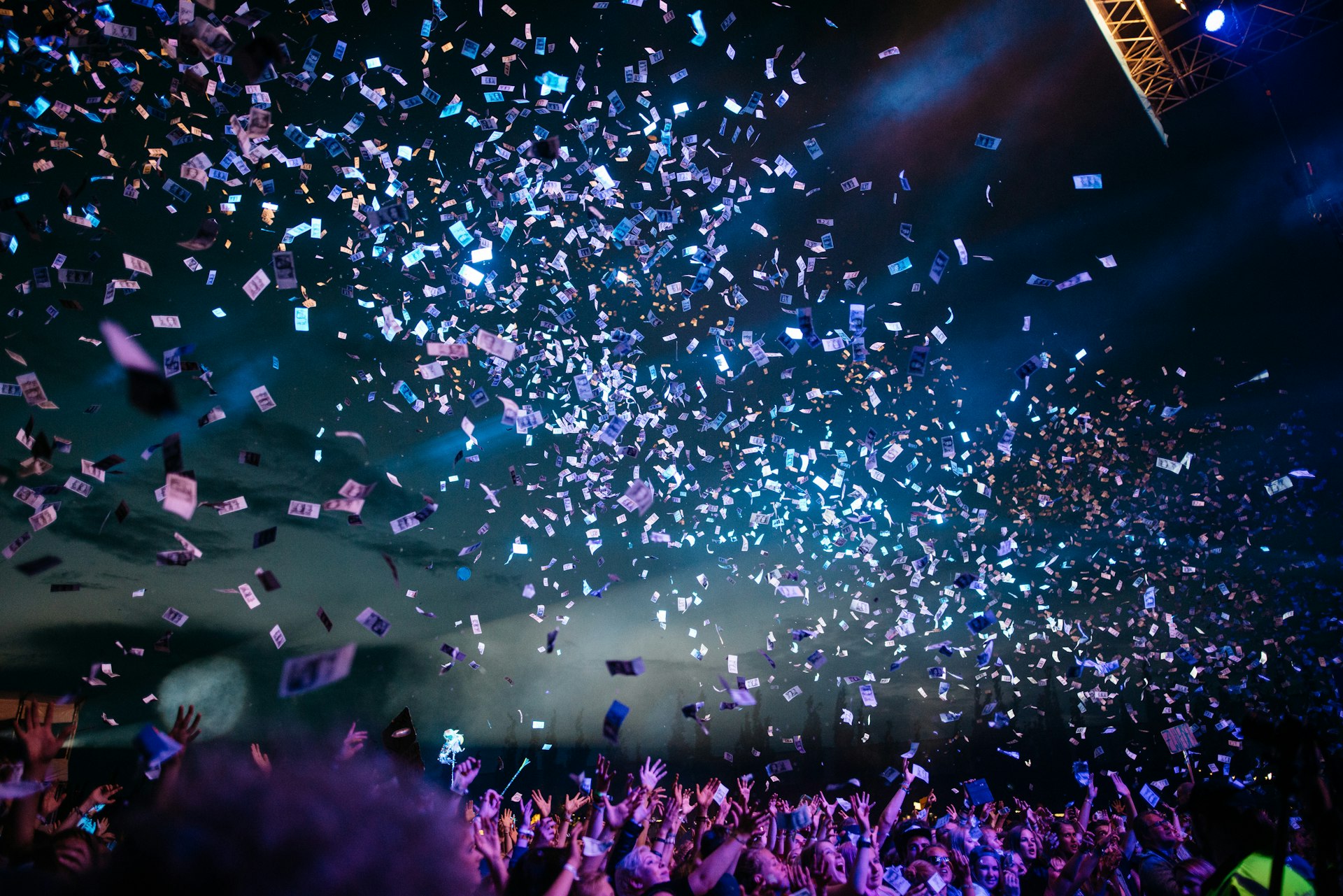
SXSW is unlike any other event on the exhibitor calendar. Part trade show, part music festival, part film premiere, part startup pitch competition, and part city-wide party — it defies easy categorization. That is exactly what makes it powerful, and exactly what makes it confusing for exhibitors trying to figure out whether their investment will pay off.
This FAQ breaks down everything you need to know about exhibiting at SXSW 2026 — from which track to focus on and how much a booth costs, to Austin hotel strategy, transportation chaos, the best activation locations, and how to actually generate meaningful business in a festival environment. SXSW rewards creativity and punishes corporate stiffness. Read this before you plan your presence.
Table of Contents
- Is SXSW a trade show or a festival?
- Which SXSW track should exhibitors focus on?
- How much does it cost to exhibit at SXSW 2026?
- What are the best venues and activation locations at SXSW?
- What is the attendee demographic at SXSW?
- What are the SXSW registration deadlines?
- What is the best Austin hotel strategy for SXSW?
- How do I get around Austin during SXSW?
- What are the best networking events at SXSW?
- What are the different SXSW badge types?
- What are the best areas for brand activations at SXSW?
- How does lead capture work at SXSW?
- What should I wear to SXSW?
- Is SXSW worth it for B2B companies?
Is SXSW a trade show or a festival?
SXSW is both — and that hybrid nature is precisely what makes it unique and, for many exhibitors, confusing. South by Southwest started in 1987 as a music festival and has evolved into a massive convergence of three major tracks: Interactive (technology and innovation), Film, and Music. The event takes over the entire city of Austin, Texas for roughly ten days each March.
For exhibitors, the Interactive track is typically the primary focus. It features a formal trade show floor at the Austin Convention Center, hundreds of conference sessions, a prestigious startup competition (SXSW Pitch), and countless brand activations scattered across downtown Austin. The trade show component is real — companies exhibit products, capture leads, and conduct business meetings. But it is wrapped in a festival atmosphere that changes how you need to approach the entire experience.
Unlike CES or NRF where the convention center is the center of gravity, SXSW spreads across bars, restaurants, parking lots, hotel lobbies, and temporary pop-up spaces. Some of the most impactful brand moments at SXSW happen outside the convention center entirely. HBO, Netflix, Amazon, Google, and other major brands routinely create immersive multi-day activations on Rainey Street or 6th Street that generate more buzz than anything on the trade show floor.
The lesson for exhibitors: if you treat SXSW like a conventional trade show, you will miss the point. The event rewards creativity, cultural relevance, and willingness to meet the audience where they are — which is often holding a taco and a craft beer on a patio, not walking an aisle in a convention hall.
Which SXSW track should exhibitors focus on?
The answer depends on your industry and target audience, but for most B2B exhibitors, SXSW Interactive is the primary track. Here is a breakdown of each:
SXSW Interactive: This is the technology and innovation hub. It runs during the first half of the event and attracts startup founders, venture capitalists, product managers, enterprise innovation teams, marketing executives, and tech media. The trade show floor, conference sessions, and startup competitions are all part of Interactive. If you are a technology company, SaaS provider, AI startup, or B2B services firm, this is your track.
SXSW Film: Attracts filmmakers, distributors, streaming platform executives, content creators, and entertainment industry professionals. If you sell production technology, post-production tools, streaming infrastructure, or entertainment-adjacent services, Film track attendance can be valuable. Brand activations tied to film premieres generate massive social media attention.
SXSW Music: The original heart of SXSW. Music industry professionals, artists, label executives, and music technology companies attend. If you are in audio technology, music streaming, live event production, or artist services, the Music track is relevant.
The overlap opportunity: One of SXSW's superpowers is the collision between tracks. An AI company might exhibit during Interactive but host an evening event during Music week that demonstrates their audio technology. A streaming platform might premiere a film during Film track and use it as a marketing activation for their technology platform. The most creative exhibitors leverage multiple tracks for a compounding effect.
For pure technology exhibitors, concentrate your energy and budget on the Interactive days. Arrive early, plan your meetings around the conference schedule, and extend your stay if your budget allows for Music week networking.
How much does it cost to exhibit at SXSW 2026?
SXSW exhibition costs vary dramatically based on what type of presence you choose. Here is a realistic breakdown:
Trade show booth (Austin Convention Center):
- Standard 10x10 booth: $4,000-$8,000 for space rental
- Larger booths (20x20, 20x30): $15,000-$35,000 for space
- Premium/island configurations: $25,000-$50,000+
Brand activations (off-site):
- Small pop-up or bar takeover: $25,000-$75,000
- Mid-size multi-day activation: $75,000-$250,000
- Major brand experience (full venue takeover): $250,000-$500,000+
SXSW Pitch (startup competition): Application-based entry, typically free or low-cost for selected companies. This is one of the highest-ROI opportunities at SXSW for early-stage startups — finalists get stage time in front of investors and media.
Total budget considerations: Beyond space costs, factor in booth design/build ($3,000-$50,000), team travel and hotels for 5-10 days ($10,000-$30,000 for a small team), entertainment and client dinners ($3,000-$10,000), marketing materials, and lead capture technology. A first-time exhibitor with a trade show booth should budget $20,000-$50,000 all-in. Companies running activations should budget $100,000+ for a meaningful presence.
One important note: many companies find that skipping the trade show booth entirely and investing in a well-executed off-site activation delivers better ROI at SXSW. The convention center trade show floor is only one part of the SXSW experience, and not necessarily the most impactful part for every brand.
What are the best venues and activation locations at SXSW?
Understanding SXSW geography is critical for planning an effective presence. The event is decentralized, and your choice of location determines who sees you and how they experience your brand.
Austin Convention Center: The official trade show venue, located in the heart of downtown Austin. This is where the formal exhibit floor, main stage sessions, and registration happen. High foot traffic during Interactive days, especially near entrances and the main session rooms. If you want a traditional trade show presence, this is the place.
Rainey Street: The hottest activation zone at SXSW. This historic district of converted bungalow bars has become the epicenter of brand activations. Companies like Amazon, HBO, Porsche, and Bumble have created multi-day immersive experiences here. Foot traffic is massive, especially in the evenings. Securing a Rainey Street venue requires planning 6-12 months in advance and significant budget, but the visibility is unmatched.
East 6th Street (Dirty Sixth): The legendary entertainment strip. High foot traffic, particularly in the evenings during Music week. The energy is chaotic and fun. Good for consumer brands and activations targeting younger demographics. Not ideal for B2B meetings.
Red River Cultural District: Live music venues like Mohawk, Stubb's, and Cheer Up Charlies. Authentic Austin vibes. Good for music tech companies and brands that want a genuine festival association.
East Austin: Emerging activation area with breweries, art galleries, and warehouse spaces. More curated, less crowded. Some brands use East Austin for invite-only events and private dinners. Requires rideshare access for attendees staying downtown.
The Warehouse District (West 4th/5th Streets): Between the Convention Center and Rainey Street. High daytime foot traffic from conference-goers. Several restaurants and bars are available for private events and partial venue buyouts.
The best SXSW activations create a destination. If people are telling other attendees "you have to go see what [your company] did on Rainey Street," you have won SXSW.
What is the attendee demographic at SXSW?
SXSW draws a distinct audience that differs significantly from traditional technology trade shows. Understanding this demographic is essential for tailoring your messaging and activation strategy:
- Total attendance: Approximately 75,000-100,000 registered attendees, plus thousands more who participate in free events, parties, and open activations. The total number of people in Austin during SXSW is significantly higher than the registered count.
- Age range: The SXSW audience skews younger than shows like CES or NRF. The core demographic is 25-44, with a strong 25-34 segment. This is driven by the startup and creative professional focus.
- Professional profiles: Startup founders and early-stage company leaders. Venture capitalists and angel investors. Marketing and brand executives (CMOs, VPs of Marketing). Product managers and designers. Content creators and influencers. Developers and engineers. Corporate innovation team members from Fortune 500 companies. Media and journalists.
- International mix: About 20% of SXSW attendees are international, with strong representation from the UK, Germany, Japan, Brazil, and Australia.
- Decision-making authority: The SXSW audience generally has lower direct purchasing authority than a show like NRF or HIMSS, but higher influence. Attendees are early adopters, trend-setters, and innovation scouts. They bring ideas back to their organizations and influence purchasing decisions even if they do not hold procurement authority themselves.
The implication for exhibitors: your booth staff and messaging need to match this audience. Skip the corporate jargon. Lead with vision, creativity, and real product demonstrations. The SXSW audience is sophisticated, skeptical of marketing speak, and drawn to authentic innovation.
What are the SXSW registration deadlines?
SXSW uses a tiered pricing system that rewards early registration with significant savings. Here is the typical timeline for both exhibitors and attendees:
Exhibitor registration:
- Fall (September-November): Exhibitor applications open. Apply early for best booth selection and pricing.
- Late November/December: Early-bird exhibitor pricing typically ends. Space selection begins based on application timing and booth size.
- January-February: Standard pricing. Good locations may still be available but selection is more limited.
- March (close to show): Late registration if space remains. Premium pricing and limited options.
Attendee badge pricing tiers:
- Super Early Bird (summer): The best prices — badges can be 30-40% cheaper than walk-up rates.
- Early Bird (fall): Moderate savings, still significantly cheaper than standard pricing.
- Standard (winter): Full price, which is already expensive.
- Walk-up (at the event): Highest prices and limited badge availability for certain tracks.
For exhibitors planning brand activations outside the convention center, the timeline is even earlier. Venue rentals on Rainey Street and prime downtown locations for SXSW 2026 may already be committed by the fall of 2025. If you are considering a major activation, start your venue search 9-12 months before the event.
What is the best Austin hotel strategy for SXSW?
Hotel strategy at SXSW is a significant logistical and financial challenge. Austin's hotel inventory is substantial but far short of what SXSW demands, and pricing during the event is the highest of the year. Here is how to approach it:
Top downtown hotels (walking distance to Convention Center):
- Hilton Austin: Directly across from the Convention Center. The most convenient option for trade show exhibitors. Expect rates of $400-$600+ per night during SXSW. Books up months in advance.
- JW Marriott Austin: Two blocks from the Convention Center. Excellent business hotel with rooftop pool. Similar pricing to the Hilton.
- Fairmont Austin: Connected to the Convention Center via a walkway. The most upscale downtown option. Rates can exceed $500-$700 per night.
- The LINE Austin: On the south side of Lady Bird Lake. Trendy, design-forward hotel popular with the SXSW creative crowd. Slightly farther walk but excellent vibe.
- Hotel Van Zandt: On Rainey Street, perfect if your activation or networking strategy is centered on that area.
Budget alternatives:
- Airbnb/VRBO: Many SXSW attendees rent houses or apartments in East Austin, South Congress, or nearby neighborhoods. This can be more cost-effective for teams, especially if you need multiple bedrooms for a week-long stay. Book well in advance — Austin rental inventory during SXSW is tight.
- Domain/North Austin hotels: Significantly cheaper but 20-30 minutes from downtown by car (longer during SXSW traffic). Only viable if you do not need to be at the Convention Center daily.
The critical rule: book 4-6 months in advance. Austin hotels during SXSW are the most expensive and scarce hotel market in Texas. Rates are typically 3-5x normal. If you wait until January to book for a March event, you will pay a premium or end up far from the action.
How do I get around Austin during SXSW?
Transportation during SXSW is one of the event's biggest pain points. Downtown Austin becomes a pedestrian zone during peak hours, streets close for events, and the usual transportation infrastructure buckles under the weight of 100,000+ visitors. Here is how to navigate it:
Walking: This is your primary mode of transportation and should be your default plan. Most SXSW venues, the Convention Center, Rainey Street, 6th Street, and the hotel district are within a 15-20 minute walk of each other. Wear comfortable shoes — you will walk 8-15 miles per day. Austin weather in March is typically pleasant (60-80 degrees), though rain is possible.
Scooters and bikes: Austin has extensive scooter and bike-share programs. They are fast, affordable, and efficient for covering distances that are slightly too far to walk comfortably. Download the apps (Lime, Bird, Lyft Bikes) before you arrive.
Rideshare (Uber/Lyft): Available but expect heavy surge pricing during peak hours (evening events, late night). Budget $25-$50+ per ride within the downtown area. Pickup zones are designated and can involve 10-15 minute waits. Schedule rides in advance for time-sensitive meetings.
SXSW shuttles: Official shuttle routes connect major venues. They are free with your badge and useful for reaching venues outside walking distance. Check the schedule on the SXSW app — service is not continuous.
Driving: Not recommended within downtown Austin during SXSW. Parking is extremely limited and expensive ($30-$60 per day for garages). Street closures make navigation frustrating. If you rent a car, use it only for trips outside the downtown core.
Pedicabs: A uniquely Austin option. Pedicabs can navigate closed streets and drop you at exact locations. Tips are expected and appreciated. They are particularly useful late at night when rideshare wait times are long.
What are the best networking events at SXSW?
Networking at SXSW is fundamentally different from networking at a traditional trade show. The most valuable connections happen in informal settings — at parties, activations, rooftop bars, and taco trucks. Here is how to maximize your networking:
Official SXSW networking:
- SXSW Meet Ups: Organized gatherings around specific topics or industries. Check the schedule for groups relevant to your market.
- Mentor Sessions: One-on-one sessions with industry experts. Excellent for startups seeking advice from experienced operators.
- SXSW Startup Crawl: An evening event where startups open their offices and co-working spaces for networking. High energy, good for meeting founders and investors.
- Exhibition floor networking: The trade show floor at the Convention Center facilitates organic encounters, but the energy is more subdued than evening events.
Unofficial (but essential) networking:
- Corporate-hosted parties: Major tech companies, VC firms, and media companies host invite-only events throughout the week. These are the most productive networking environments. Start connecting with hosts on LinkedIn and Twitter months before the event to secure invitations.
- Rainey Street activations: Even if you are not hosting an activation, visiting other companies' experiences on Rainey Street creates natural conversation opportunities.
- Hotel lobbies and restaurants: The lobbies of the Hilton, JW Marriott, and Fairmont become spontaneous networking hubs during SXSW. Some of the best connections happen over coffee between scheduled events.
The most important networking tip for SXSW: schedule your high-priority meetings in advance, but leave significant open time for serendipity. SXSW rewards the people who stay open to unexpected encounters. Some of the best partnerships and deals in the tech industry were sparked by chance meetings at SXSW after-parties.
What are the different SXSW badge types?
SXSW offers several badge tiers, each providing different levels of access. Choosing the right badge depends on which tracks and events you need access to:
- Platinum Badge ($1,800+ early bird): The all-access pass. Entry to all Interactive, Film, and Music events, plus priority venue access, exclusive Platinum lounges, and dedicated registration. If you plan to attend events across multiple tracks or need guaranteed entry to popular sessions, Platinum is the way to go. It also signals status that can be useful for networking.
- Interactive Badge ($1,400+ early bird): Access to the Interactive conference, trade show floor, networking events, and most Interactive-related programming. This is the standard choice for technology exhibitors and B2B attendees. It does not include Music or Film showcases.
- Film Badge ($1,400+ early bird): Access to film screenings, panels, and Film-related events. Primarily for entertainment industry professionals.
- Music Badge ($1,100+ early bird): Access to Music showcases, panels, and Music-related events. The most affordable single-track badge.
- Exhibitor Badges: Included with your booth package. The number of complimentary badges varies by booth size — typically 2-4 for standard booths, more for larger installations. Additional badges can be purchased at a discounted rate.
Important note: even with a badge, popular sessions and venues operate on a first-come, first-served basis. Platinum badge holders get priority entry, which means they skip longer lines. For high-demand keynotes and events, arrive early regardless of your badge type.
Pricing increases in tiers as the event approaches. Buying badges at Super Early Bird rates (usually available in the summer before the event) saves 30-40% compared to walk-up pricing. For exhibitor teams, this can represent thousands of dollars in savings.
What are the best areas for brand activations at SXSW?
Brand activations are where SXSW truly differentiates itself from traditional trade shows. The most memorable SXSW moments are created by brands that think beyond the convention center. Here is a detailed breakdown of the best activation zones:
Rainey Street: The undisputed king of SXSW activations. This street of converted bungalow-style bars creates a village atmosphere perfect for immersive brand experiences. Companies have transformed entire venues into themed worlds — HBO created Westworld saloons, Amazon built interactive streaming experiences, and automotive brands have hosted test drives from Rainey Street venues. The foot traffic is enormous, especially from late afternoon through midnight. Securing a venue requires 6-12 months of advance planning and budgets starting at $50,000 for a basic presence.
East 6th Street: Raw, energetic, and packed with foot traffic during evening hours. The bar-to-bar density creates natural flow for experiential activations. Good for consumer brands targeting younger demographics. Less corporate, more authentic Austin energy.
Convention Center perimeter: The blocks surrounding the Austin Convention Center see massive daytime foot traffic from badge holders moving between sessions. Pop-up tents, food truck activations, and sidewalk experiences in this area capture attendees during breaks. Lower cost than Rainey Street with strong daytime visibility.
South Congress (SoCo): Austin's iconic shopping and dining street. A few blocks south of the Convention Center. Some brands create pop-ups in existing retail spaces on SoCo for a more curated, Austin-authentic feel. Foot traffic is moderate but the audience quality is high.
East Austin warehouses: The emerging activation frontier. Large warehouse spaces in East Austin offer blank canvases for creative installations. Lower venue costs than downtown locations, and the industrial aesthetic works well for tech brands. The tradeoff is that attendees need transportation to reach East Austin, so you must create a compelling enough reason for people to make the trip.
The golden rule of SXSW activations: create an experience worth photographing and sharing on social media. If attendees are posting about your activation, you are winning. Static displays and brochure tables have zero impact at SXSW.
How does lead capture work at SXSW?
Lead capture at SXSW operates differently depending on whether you are on the trade show floor or running an off-site activation:
On the trade show floor: SXSW provides an official lead capture system for exhibitors. Badge scanning captures attendee registration data including name, company, title, and contact information. The system is similar to what you would find at CES or other major trade shows. Rental costs vary but are typically $300-$500 per scanner.
Off-site activations: This is where lead capture gets challenging — and creative. At brand activations, house parties, and off-site events, there are no official badges to scan. You need your own solution:
- QR code tools: Apps like Scannly allow you to exchange contact information via QR codes. Visitors scan your code, you scan theirs, and leads are captured instantly. This works in any environment — trade show floor, rooftop bar, or taco truck.
- Social media follows: Many SXSW interactions convert to LinkedIn connections or Twitter follows rather than traditional lead capture. Train your team to connect on social media during conversations and follow up digitally.
- Email/SMS sign-ups: Tablet-based sign-up forms at activations. Offer something valuable in exchange — early access, exclusive content, a contest entry — to incentivize registration.
- Wristband/RFID activations: Some larger brand activations use RFID wristbands that attendees register for, providing contact data in exchange for interactive experiences. Effective but requires significant infrastructure investment.
The most important lead capture advice for SXSW: do not rely solely on badge scanning on the trade show floor. Much of the valuable networking at SXSW happens outside the convention center, where you need portable, app-based lead capture that works anywhere.
What should I wear to SXSW?
This may seem like a minor question, but at SXSW, how you present yourself signals whether you understand the culture of the event — and that matters for making connections.
The short answer: Smart casual. Austin is one of the most laid-back cities in America, and SXSW amplifies that ethos. The unofficial dress code is jeans, comfortable shoes, and a clean t-shirt or casual button-down. Branded company shirts are common and perfectly acceptable, even for business meetings.
What works:
- Jeans or chinos with a fitted t-shirt or casual button-down
- Clean sneakers or comfortable walking shoes (essential — you will log 10+ miles daily)
- Light layers for air-conditioned venues and cooler March evenings (Austin March temperatures range from 50-80 degrees)
- Branded company apparel that looks good, not just logo-stamped
- A light rain jacket — March in Austin can have unpredictable weather
What does not work:
- Business suits. You will look out of place and signal that you do not understand the event. The only exception is if you are hosting a formal investor dinner, and even then, "business casual plus" is appropriate.
- Dress shoes. Your feet will pay the price by day two.
- Heavy winter coats. Austin in March is mild. Layers handle temperature variation.
For booth staff, coordinate your look. Matching branded shirts or a consistent color palette makes your team identifiable on the floor and at events. Keep it clean and professional but approachable — SXSW attendees are more likely to engage with someone who looks like a fellow participant than someone who looks like they are staffing a corporate kiosk.
Is SXSW worth it for B2B companies?
This is the most important question many exhibitors need to answer before committing budget. The honest answer is: it depends entirely on what you are trying to accomplish and who you are trying to reach.
SXSW is excellent for B2B companies that want:
- Brand awareness and thought leadership positioning, especially among early adopters and innovation leaders
- Access to startup ecosystems — founders, investors, and accelerators
- Connections with marketing and creative executives who influence technology purchasing decisions
- Media coverage — SXSW attracts significant tech press, and a well-executed activation or speaking slot can generate substantial coverage
- Product launches targeting innovation-forward audiences
- Recruiting visibility among tech talent
SXSW is less effective for B2B companies that need:
- Direct enterprise sales with procurement-level decision makers. SXSW attendees are influencers and innovators, not procurement officers.
- High-volume traditional lead generation with immediate sales pipeline impact
- Reaching highly regulated industries (healthcare, finance, government) where vertical-specific shows deliver better ROI
The hybrid approach: Many B2B companies find the best SXSW ROI by skipping the trade show booth and instead investing in thought leadership (speaking slots, panel participation), private dinners with target accounts, and selective networking at evening events. A $30,000 investment in a private dinner series for 50 target accounts can deliver better pipeline than a $50,000 booth on the trade show floor.
The companies that get the most from SXSW are those that embrace the format. If you approach SXSW with the same playbook you use at Dreamforce or RSA, you will be disappointed. If you approach it with creativity, authenticity, and a willingness to meet the audience on their terms, SXSW can open doors that no traditional trade show can.
Related Articles
Complete Guide to Exhibiting at NECANN Cannabis Convention 2026
Everything you need to know about exhibiting at NECANN Cannabis Convention 2026 in Providence...
Complete Guide to Exhibiting at PROJECT 2026
Everything you need to know about exhibiting at PROJECT 2026 in Las Vegas. Booth strategy...
Automotive Trade Shows in Los Angeles
Guide to Automotive trade shows and exhibitions in Los Angeles, United States. Find events, plan...
Jewelry & Watches Trade Shows in Brussels
Guide to Jewelry & Watches trade shows and exhibitions in Brussels, Belgium. Find events, plan your...
Capture Every Lead at Your Next Trade Show
Scannly replaces business cards with instant QR code contact exchange. Scan badges, share your info, and export leads in seconds.
Download Scannly FreeGet the Complete Exhibitor Toolkit
19 checklists, spreadsheets, email templates, and guides — everything you need before, during, and after the show.
Get Mega Bundle — $49.99$213.81 — Save 77%