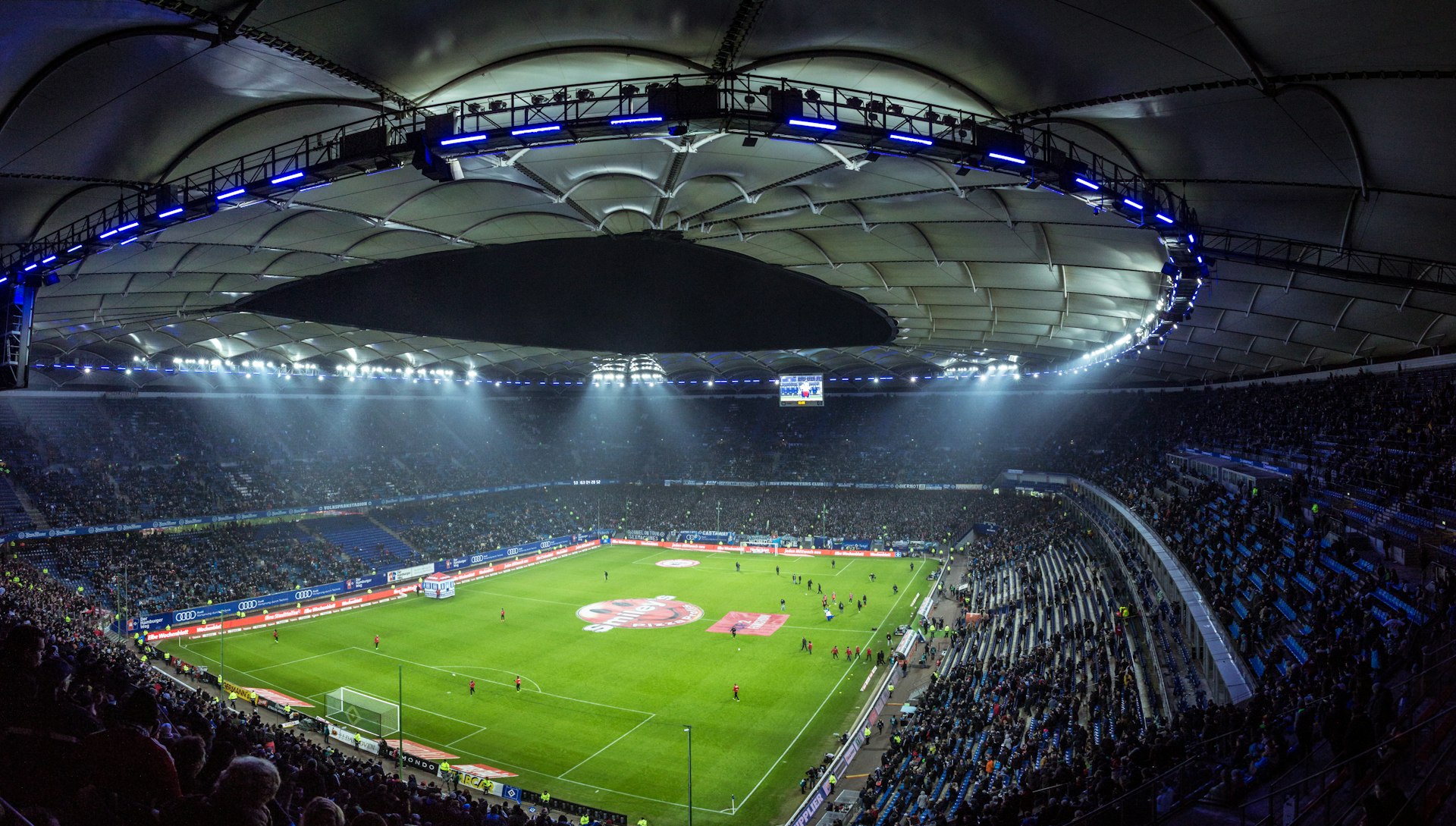
On Sunday, February 8, 2026, the Seattle Seahawks defeated the New England Patriots at Levi's Stadium in Santa Clara, California, in front of 71,000 fans and an estimated 120 million television viewers worldwide. By Monday morning, the Bay Area's hospitality industry had already started counting the receipts. The preliminary numbers are staggering: an estimated $630 million in direct economic impact to the San Francisco Bay Area from a single weekend. Hotel revenue per available room surged 47% across the region. Over 100,000 out-of-market visitors descended on a metropolitan area that, for one concentrated week, became the center of the entertainment universe.
For trade show organizers, these numbers are both inspiring and humbling. The largest trade shows in the United States -- CES, HIMSS, NRF, NAB Show -- generate economic impacts in the $300-$400 million range over multi-day runs. The Super Bowl eclipses all of them in a fraction of the time. But the comparison is not about competition. It's about methodology. The NFL and its host committee have spent decades perfecting the art of transforming a single event into an economic engine that reshapes a city for a week. The playbook they use contains strategies that translate directly to the exhibition industry -- strategies that most trade show organizers have not yet adopted.
Lesson 1: The Event Is Bigger Than the Venue
The most fundamental difference between how the NFL produces the Super Bowl and how most trade shows operate is the relationship between the event and the city. For the Super Bowl, the game at Levi's Stadium is the anchor, but the event extends across the entire Bay Area. Super Bowl City, the NFL's free fan experience, occupied multiple blocks of downtown San Francisco -- 35 miles from the stadium. Corporate hospitality events, brand activations, and private parties took over venues from the Ferry Building to Mission Bay. The NFL essentially treated the entire metropolitan area as its exhibition floor, with the stadium as the main stage and the rest of the city as a massive, distributed activation zone.
Most trade shows do the opposite. They confine themselves within the walls of a convention center, treating the city as a logistical necessity -- a place where attendees sleep and eat -- rather than as a strategic asset. The result is that the economic impact stays concentrated in a narrow corridor around the venue, the attendee experience is limited to the show floor and a handful of officially sanctioned events, and the city itself remains an underutilized backdrop rather than an active participant in the event.
The organizers who have figured this out are seeing results. SXSW in Austin has always understood this principle -- the festival is inseparable from the city, with activations spread across downtown, the Eastside, and Rainey Street. Art Basel Miami extends across the entire Design District, Wynwood, and Miami Beach. These events generate outsized economic impact precisely because they activate the full city, not just the convention center.
How to Apply This
Trade show organizers should negotiate with host cities to create official satellite zones -- designated areas outside the convention center where exhibitors can host experiences, demos, and hospitality events. These zones should be integrated into the show's official map and app, with transportation provided between locations. The effect is twofold: exhibitors get additional activation opportunities that differentiate their presence, and the city sees broader economic distribution that strengthens political support for hosting the show in future years.
"The Super Bowl doesn't think of itself as a stadium event. It thinks of itself as a city takeover. The best trade shows are starting to think the same way. When your event becomes synonymous with a city for a week, you've created something that's almost impossible for virtual events or competitors to replicate." -- Convention and Visitors Bureau Executive, Major U.S. Host City
Lesson 2: The Ancillary Revenue Machine
The NFL generates approximately $150 million in direct revenue from the Super Bowl itself -- ticket sales, broadcast rights allocated to the event, and league-managed hospitality. But the $630 million Bay Area impact figure dwarfs the NFL's direct take because the Super Bowl has mastered something that most trade shows have not: creating an ecosystem of ancillary events that generate enormous economic activity independently of the main event.
In the week leading up to Super Bowl LX, the Bay Area hosted an estimated 450 corporate events, brand activations, and private parties connected to the game. These ranged from invite-only dinners for corporate sponsors to massive consumer-facing experiences like the NFL Experience fan festival. Many of these events were not organized or controlled by the NFL -- they were organized by brands, agencies, and private companies leveraging the concentration of high-value attendees created by the Super Bowl. The NFL didn't need to produce these events. It needed only to create the gravitational pull that made them inevitable.
Trade shows generate similar gravitational pull, but most organizers have been slow to capitalize on it. When 40,000 healthcare executives descend on a city for HIMSS, or when 180,000 tech enthusiasts arrive in Las Vegas for CES, the concentration of industry decision-makers creates enormous demand for ancillary meetings, dinners, and experiences. Smart organizers are beginning to facilitate and monetize this demand rather than ignoring it or viewing it as competition.
The Monetization Opportunity
CES has moved furthest down this path. The Consumer Technology Association partners with hotels, restaurants, and event spaces throughout Las Vegas to create an official "CES ecosystem" that extends well beyond the LVCC show floor. Exhibitors can book CTA-endorsed hospitality suites, private demo rooms, and event spaces through the show's official channels, with the CTA earning a commission on each booking. The result is incremental revenue for the organizer, a better experience for exhibitors who want premium meeting environments, and broader economic distribution across the host city.
The model is replicable for any show with more than 10,000 attendees. Partner with the host city's convention and visitors bureau to identify available venues during show week. Create an official platform where exhibitors and sponsors can book these spaces. Offer tiered packages that include transportation, catering, and AV support. The investment is modest -- primarily in platform development and partnership management -- and the revenue potential is significant, with major shows potentially adding $2-5 million in ancillary revenue annually.
Lesson 3: The Hospitality Economy
Super Bowl LX pushed hotel rates in Santa Clara and San Francisco to extraordinary levels. The average nightly rate at hotels within five miles of Levi's Stadium exceeded $800 during Super Bowl week, with premium properties in San Francisco commanding $1,200-$2,000 per night. Revenue per available room -- the hotel industry's key performance metric -- increased 47% region-wide for February, an astonishing figure driven entirely by a single weekend event.
Trade shows generate similar hotel demand, but the economic relationship between shows and hotels has traditionally been adversarial rather than symbiotic. Exhibitors resent the inflated rates that hotels charge during major shows. Attendees book outside the official hotel block to save money, undermining the organizer's negotiating leverage with the convention center. Hotels, meanwhile, view trade shows as reliable demand generators but invest little in the attendee experience beyond basic accommodation.
The Super Bowl model suggests a different approach. The NFL's host committee works with hotels not just to negotiate room blocks but to create a tiered hospitality experience that enhances the overall event. Official Super Bowl hotels receive branding, exclusive event access, and promotional benefits that justify premium pricing while delivering genuine value to guests. Hotels compete for official status because the association drives bookings. Guests accept premium pricing because the package includes tangible perks -- shuttle service to the stadium, access to pre-game events, branded welcome amenities.
Translating This to Trade Shows
Trade show organizers should move beyond simple room block negotiations and create official hotel partnerships that deliver value to attendees. An official show hotel should not just be cheaper (though competitive pricing matters). It should offer shuttle service to the venue, early check-in for exhibitors with early load-in schedules, dedicated concierge support for show-related logistics, and access to exclusive networking events held at the hotel. When the official hotel experience is genuinely superior, attendees book within the block willingly, the organizer maintains leverage with the convention center, and the hotel earns premium rates justified by premium service.
Lesson 4: Corporate Hospitality as a Revenue Category
Corporate hospitality at Super Bowl LX was a business unto itself. Companies spent an estimated $180 million on Super Bowl-related corporate entertainment in the Bay Area, from skybox packages at Levi's Stadium (starting at $750,000) to private dinners at Michelin-starred restaurants to branded yacht parties on the San Francisco Bay. For many corporations, the Super Bowl is not a sporting event. It is the most concentrated relationship-building opportunity of the year -- four days when C-suite executives, key clients, and strategic partners are all in the same city with a shared reason to gather.
Trade shows serve the same function for industry-specific relationship building, but most organizers underinvest in the corporate hospitality infrastructure that would allow exhibitors and sponsors to fully capitalize on the opportunity. The typical trade show offers a handful of sponsorship tiers, a gala dinner, and perhaps a golf outing. The Super Bowl offers hundreds of curated experiences at every price point, from $500-per-person events to seven-figure private packages.
The gap represents an enormous missed opportunity. When an exhibitor's CEO flies to a trade show to meet key prospects, that CEO wants more than a badge and a booth. They want a setting where genuine relationship building can happen -- a private dinner, a curated experience, a hospitality suite where the right conversations unfold naturally. Most trade shows force exhibitors to create these experiences independently, which is expensive, logistically complex, and produces inconsistent results.
Building the Hospitality Layer
Forward-thinking organizers are building hospitality platforms directly into their event offerings. Dreamforce has long offered tiered hospitality experiences that range from VIP lounge access to private concert experiences with headline acts. The Web Summit in Lisbon offers Night Summit, an official program of curated evening events at restaurants and venues throughout the city, with reserved tables available for sponsors and exhibitors. These programs generate incremental revenue, enhance the attendee experience, and create relationship-building environments that make the show indispensable to executive attendees.
For mid-size shows (10,000-40,000 attendees), the investment required is modest. Partner with 8-12 restaurants and venues near the convention center. Create packages that include reserved space, branded menus, and concierge coordination. Sell these packages through the show's exhibitor services portal at margins of 25-40%. The exhibitor gets a turnkey hospitality experience. The organizer gets incremental revenue and deeper exhibitor engagement. The host city gets broader economic distribution across its hospitality sector.
Lesson 5: The Media Amplification Effect
Super Bowl LX generated an estimated 12 billion social media impressions in the 48 hours surrounding the game. Every major news outlet in the world covered the event. The halftime show generated its own news cycle. The commercials were analyzed, ranked, and debated across every media platform. The total media value of the Super Bowl -- combining broadcast, digital, social, and earned media -- is estimated at $7-10 billion annually.
No trade show will ever match that media footprint, nor should it try. But the principle underlying the Super Bowl's media strategy is transferable: create multiple content moments that extend the event's reach far beyond the people physically present. The game is one content moment. The halftime show is another. The commercials are a third. The celebrity arrivals, the pre-game concerts, the fan experiences -- each generates its own media narrative, and collectively they create a week-long content engine that keeps the Super Bowl in the cultural conversation from Monday through the following weekend.
Most trade shows generate a single content moment: the keynote. Perhaps a major product announcement creates a second. But the vast majority of what happens on the show floor -- the exhibitor demonstrations, the networking conversations, the panel discussions -- goes uncaptured and unshared. The content that trade shows produce organically is enormous in volume and frequently high in quality. It just isn't being captured, packaged, and distributed effectively.
The Content Multiplier Strategy
The solution is to treat the trade show as a content production studio, not just an exhibition. Station mobile production teams throughout the show floor to capture exhibitor stories, product demonstrations, and attendee reactions. Create a real-time content hub that distributes edited clips to social media channels within hours of capture. Provide exhibitors with professional content captured at their booths -- a service that costs the organizer relatively little (exhibitors are doing interesting things anyway; you just need to point cameras at them) but delivers enormous value to exhibitors who struggle to produce quality content from the show floor.
The ROI for organizers is indirect but substantial. Every piece of show floor content that reaches an audience beyond the physical attendees is marketing for the next year's event. When a prospective attendee sees a compelling product demonstration on LinkedIn, tagged with the show's hashtag and linked to next year's registration page, the content has become a lead generation tool. The Super Bowl doesn't need to advertise; the content generated by the event is its advertising. Trade shows should aspire to the same self-perpetuating content cycle.
Lesson 6: The Sponsor Activation Model
The NFL's approach to sponsor activations at the Super Bowl is fundamentally different from how most trade shows handle sponsorships. At a typical trade show, sponsors buy visibility: logo placement, banner ads, lanyard branding, program book listings. The value is measured in impressions, and the sponsor's role is passive -- their brand appears, but they don't actively engage with attendees in a meaningful way.
At the Super Bowl, sponsors don't buy visibility. They buy activation rights. Pepsi doesn't just have its logo on the stadium -- it creates the Pepsi Super Bowl Halftime Show, an experience that becomes a tentpole of the entire event. Verizon doesn't just sponsor the broadcast -- it builds a 5G-powered fan experience zone that demonstrates its technology in a context that is memorable, shareable, and directly tied to the product. Every major sponsor creates an experience, not a billboard. The result is that sponsors become participants in the event rather than passive beneficiaries, and their activations add genuine value to the attendee experience rather than cluttering it with advertising.
The application to trade shows is direct. Instead of selling sponsors logo placements, sell them activation opportunities. Give sponsors the right to create experiences within the show -- a branded networking lounge, a technology demonstration zone, a curated matchmaking session, a content studio. The sponsor gets deeper engagement with attendees. Attendees get richer experiences. The organizer gets higher sponsorship revenue because activation packages command premiums of 3-5x over traditional visibility sponsorships.
Lesson 7: Civic Partnership as Strategy
The Bay Area Super Bowl LX Host Committee spent over two years coordinating with city governments, transportation agencies, law enforcement, neighborhood associations, and community organizations across multiple jurisdictions. The level of civic partnership required to execute a Super Bowl is extraordinary -- and it produces results that extend far beyond the event itself. The infrastructure improvements, transportation upgrades, and public space investments made for the Super Bowl benefit the host city for years after the final whistle.
San Francisco's investment in Super Bowl LX infrastructure is part of a broader strategy. The city expects to generate close to $1.5 billion in combined economic impact from the Super Bowl, the FIFA World Cup matches scheduled later in 2026, and the NBA All-Star Game. This clustering of mega-events was not accidental -- it was the result of a deliberate civic strategy to position San Francisco as a premier event destination, with each event reinforcing the city's brand and capabilities for hosting the next.
Trade show organizers can leverage the same approach, though at a different scale. The shows that negotiate the most favorable deals with host cities are those that demonstrate their economic impact with the same rigor that Super Bowl host committees use. This means commissioning independent economic impact studies, sharing the results with city officials and media, and positioning the show as a civic asset rather than just a commercial event. Shows that quantify their impact get better deals on convention center rental, more supportive permitting for ancillary events, and stronger transportation and infrastructure support during show week.
"The Super Bowl Host Committee's economic impact presentation is 85 pages long. It quantifies every dollar -- hotel tax revenue, restaurant spending, transportation usage, media value. Most trade show organizers submit a one-page summary. If you want to be treated like a major event, you need to present yourself like one." -- Convention Center Authority Director, Southeast U.S.
The Scale Gap -- And Why It Doesn't Matter
The obvious objection to comparing trade shows with the Super Bowl is scale. The Super Bowl is a once-a-year, one-of-a-kind cultural event with decades of brand equity and a built-in audience of hundreds of millions. No trade show can replicate that gravitational pull.
But the objection misses the point. The strategies that make the Super Bowl an economic engine -- city-wide activation, ancillary event facilitation, hospitality partnerships, content multiplication, sponsor activation, and civic partnership -- are not scale-dependent. They work at 10,000 attendees and at 100,000 attendees. They work in Las Vegas and in Indianapolis. They work for technology shows and for food service expos. The difference is not capability; it's ambition. The NFL treats the Super Bowl as an event that happens to include a football game. Trade show organizers need to think of their events as economic ecosystems that happen to include an exhibition floor.
The $630 million that Super Bowl LX generated for the Bay Area did not come from 71,000 people watching a football game. It came from the infrastructure of experiences, activations, and economic activity that was built around the game. That infrastructure is what trade show organizers should study, borrow, and adapt. The game was the draw. Everything else was the business model.
What Exhibitors Should Do With This Information
- Extend your presence beyond the booth. If your target show doesn't offer satellite activation zones, create your own. Host a dinner at a restaurant near the convention center. Rent a hotel suite for private meetings. Create experiences outside the show floor that complement your booth presence and capture the high-value attendees who may never walk the floor at all.
- Demand better hospitality partnerships from organizers. If the official hotel block offers no value beyond a discounted rate, push your organizer to create packages that include genuine perks. The leverage is with exhibitors -- organizers need block pickup numbers, and they'll create value to get them.
- Invest in content capture. Budget $3,000-$5,000 per show for a professional videographer who captures booth interactions, product demonstrations, and customer testimonials. The content you capture at a trade show can fuel your marketing for months. The Super Bowl generates billions in media value. Your booth generates hours of ungated content that you're currently throwing away.
- Think in ecosystems, not booths. Your trade show presence is not your booth. It's the total experience you create for your prospects during show week -- the booth, the dinner, the coffee meeting, the LinkedIn message, the follow-up email. The exhibitors who generate the highest ROI are those who treat the show as a week-long engagement campaign, not a three-day floor presence.
- Align with your show's media strategy. If your organizer is producing show floor content, make sure your booth is on their radar. Volunteer for interviews, host compelling demonstrations during high-traffic periods, and make your booth photogenic. Earned media from show-produced content reaches attendees who never visited your booth.
The Super Bowl is entertainment. Trade shows are commerce. But the infrastructure of impact -- the way you extend an event beyond its primary venue, create ancillary value, and transform a gathering into an economic engine -- is universal. The playbook is public. The question is whether the exhibition industry will use it.
Capture Every Lead at Your Next Trade Show
Scannly replaces business cards with instant QR code contact exchange. Scan badges, share your info, and export leads in seconds.
Download Scannly FreeGet the Complete Exhibitor Toolkit
19 checklists, spreadsheets, email templates, and guides — everything you need before, during, and after the show.
Get Mega Bundle — $49.99$213.81 — Save 77%